A Splash Of Serenity: Crafting A Relaxing Retreat For Your Home
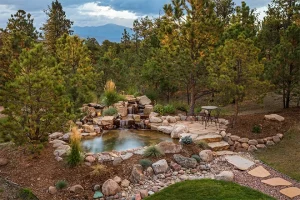
Have you ever imagined waking up to the gentle sound of water in your own backyard? Or how about hosting friends and family beside a shimmering koi pond alive with dragonflies and songbirds, much like the peaceful scenes around Boone’s Greenway Trail in summer?
In this guide, we’ll dive into everything you need to know about creating your own backyard pond.
Whether you’re a DIY enthusiast or considering professional help, this guide promises practical tips, local insights, and cost-effective strategies to bring your pond dream to life.
By the end, you’ll feel confident in your pond construction project.
Why Consider a Backyard Pond?

Backyard ponds are becoming a coveted feature in landscape design.
But why are so many homeowners drawn to this water feature?
Firstly, they enhance the overall aesthetics of your garden, transforming ordinary yards into picturesque retreats reminiscent of the natural calm found near Lake James.
Imagine a small pond nestled in your property, reflecting the sky and surrounded by lush plants – it’s a scene straight out of a landscaping magazine.
Secondly, backyard ponds play a crucial role in supporting local wildlife. They become a haven for birds, frogs, and beneficial insects, contributing to the ecological balance of your community.
A pond complements the existing landscape and invites more wildlife into your garden.
Lastly, the tranquility of a pond creates a relaxing outdoor space.
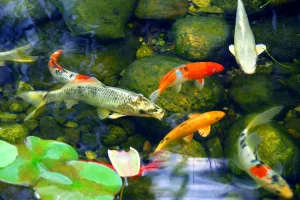
The sound of moving water from a waterfall or fountain, combined with the sight of koi gracefully swimming, can transform your Morganton backyard into a serene oasis.
What are the pros and cons of a backyard pond?
Choosing the Perfect Pond Location in Your Backyard
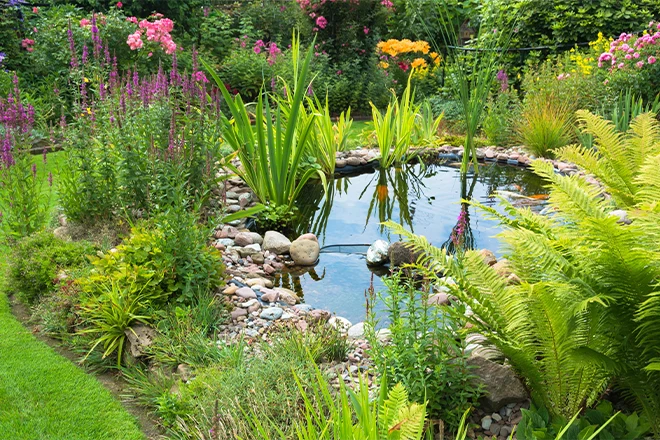
Selecting the right spot for your backyard pond is crucial.
Sunlight and shade play a significant role in garden health, so it’s important to find a balance.
Your pond should be placed in an area where it can receive enough sunlight to support aquatic plants and maintain a healthy ecosystem. Yet, it also needs to have some partial shade to prevent overheating in summer and to deprive algae of excessive sunlight.
Soil and drainage are also key factors.
Ensure your yard has well-drained soil to prevent waterlogging around your pond. If your soil is less than ideal, consider installing a pond liner to protect your pond water from seeping into the ground.
We install liners with all of our ponds to ensure your yard stays dry and your pond stays intact.
Visibility and accessibility are essential for enjoyment and maintenance.
Your pond should be easily visible from your house or patio, allowing you to enjoy its beauty year-round.
Also, consider the ease of access for maintenance tasks like cleaning pumps or feeding fish.
Backyard Pond Types
The choice between an above-ground and in-ground backyard pond can significantly impact your backyard landscape.
Above-ground ponds offer easier maintenance and can be a striking feature in your garden. They are particularly suitable for smaller yards where space is at a premium.
In-ground ponds blend seamlessly with the natural landscape, creating a more organic look.
Designing Your Backyard Pond

When it comes to backyard pond ideas, you have a plethora of options.
Do you prefer a natural pond that blends into wooded backyards, or a sleek, formal koi pond that makes a statement like those in downtown courtyards?
A natural pond with native pond plants and rocks can create a haven for local wildlife, while in more urban settings, a formal pond with geometric shapes and ornamental features might suit the landscape design better.
Backyard Pond Size and Depth
Size and depth are important considerations, especially in our area’s varied climate.
A minimum depth of at least two feet is recommended for koi ponds to ensure the health of the fish, especially during winter.
For smaller ponds or water gardens, a shallower depth can suffice, but always consider the needs of the plants and fish you wish to include.
Styles of Backyard Ponds
When considering styles of ponds, homeowners have a variety of backyard pond ideas to choose from.
Natural ponds, with their irregular shapes and edges, mimic the spontaneity of nature and are perfect for creating a wildlife-friendly water garden.
Semi-natural ponds, combining elements of formal and natural styles, are versatile and can adapt to different landscaping themes.
Formal ponds, with their clean lines and defined shapes, suit modern landscape designs and are often seen as a focal point in gardens in areas like Magnolia Place.
Backyard Pond Equipment and Accessories
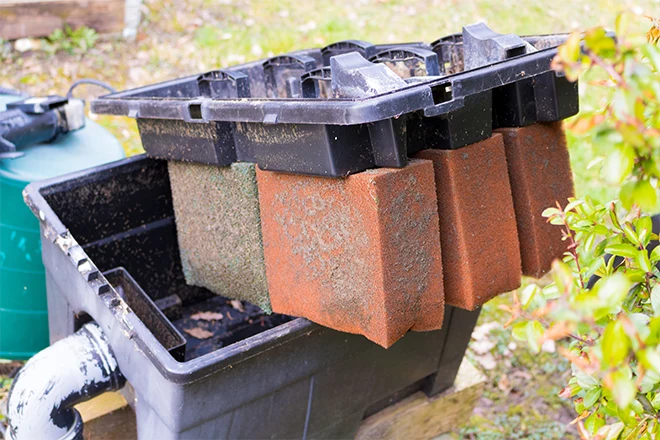
For a successful backyard pond, the right equipment is essential.
Pumps and Filters
Pumps and filters are the heart of your pond, circulating water the same way the small cascades near South Mountains State Park keep streams fresh and moving.
Selecting energy-efficient pumps can save on long-term costs.
Filters, whether mechanical or biological, are crucial for maintaining the balance of the ecosystem, especially in larger ponds where the water volume is significant.
Backyard Pond Accessories
Decorative elements like waterfalls and fountains not only add aesthetic value to your backyard pond but also improve the pond’s health.
The moving water they create increases oxygen levels, which is beneficial for fish and plants.
Integrating these water features can elevate the overall appeal of your garden.
Local Backyard Pond Considerations for Morganton, NC
Aquatic Plants
Choosing the right plants and fish is essential for creating a balanced backyard pond.
For plant selection, consider species that thrive in North Carolina’s climate.
Aquatic plants like water lilies not only add beauty to your pond’s surface but also provide shade and a food source for fish.
Marginal plants that grow in shallow water around the pond’s edge, such as irises, contribute to the pond’s natural filtration system.
Fish
When it comes to fish, koi are a popular choice for larger ponds due to their size and vibrant colors. However, they require deeper water and more maintenance.
For smaller ponds, goldfish are a low-maintenance option. They are hardy and can survive in a range of conditions, making them suitable for our varied climate.
Remember to consider the pond’s size when selecting fish types; overcrowding can lead to health issues and imbalances in the pond’s ecosystem.
Local Bylaws and Regulations for Backyard Ponds
Navigating local resources and regulations is an important step in creating backyard ponds.
Understanding specific guidelines ensures that your pond complies with local building codes and environmental regulations. This is especially important in historic areas or neighborhoods with specific land use rules.
Local suppliers and experts can be invaluable resources.
Whether you’re in Downtown Morganton or the outskirts like Bethel Park, consulting with local landscaping experts or pond specialists can provide insights tailored to your specific location.
They can advise on the best plants and fish for the local climate, as well as offer tips on pond maintenance and design that align with our unique environment.
DIY vs. Professional Backyard Pond Installation
Deciding between DIY and professional installation of your backyard pond depends on several factors.
You might be tempted to take on the project yourself. Assess your skills realistically; while smaller ponds or water gardens might be manageable, larger projects with complex water features might require professional expertise.
Finding local pond experts can be invaluable, especially when dealing with specific challenges like sloping land or ensuring the right balance of plants and fish.
Local experts can provide tailored advice and resources, making your pond installation smoother and more successful.
How to Build a Backyard Pond
- Choose the Location: Select a spot in your yard that receives balanced sunlight and has good soil drainage.
- Design the Pond: Decide whether you want a natural, semi-natural, or formal pond, and plan the shape and size.
- Excavate the Area: Dig the pond area to the desired depth, considering the needs of the pond’s inhabitants.
- Install the Liner: Place a durable pond liner, like EPDM, to prevent water leakage.
- Set Up the Filtration System: Install a biological filter and a pump to keep the pond water clean and oxygenated.
- Create Borders and Edges: Use rocks or other materials to create natural-looking edges around the pond.
- Add Water and Plants: Fill the pond with water and introduce suitable aquatic plants.
- Introduce Fish: Once the ecosystem is stable, add fish like koi or goldfish to your pond.
- Regular Maintenance: Establish a routine for cleaning debris and checking the health of the pond.
Backyard Pond Maintenance
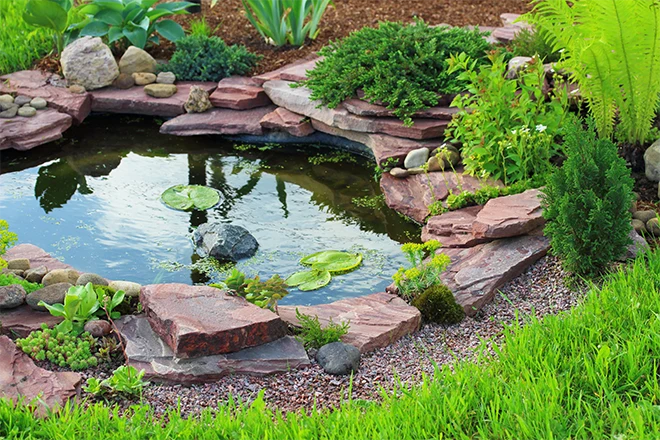
Regular cleaning and maintenance are key to keeping your backyard pond a beautiful and healthy environment.
This includes removing debris like fallen leaves and twigs, especially during spring and fall.
Where trees are abundant, using a pond net can help keep your pond clear of organic matter.
Winter Pond Maintenance
Winter care is particularly important.
If your pond is shallow, consider using a pond heater or aerator to keep a small area of the water’s surface from freezing, which is essential for gas exchange and preventing the buildup of harmful carbon dioxide.
Keep Your Backyard Pond Clear
Dealing with common pond issues like algae can be managed through many means, including natural ones like introducing barley straw, which helps control algae growth without harming fish or plants.
Ensuring your pump and filter are working efficiently is also crucial in maintaining clear and healthy pond water.
We recommend having a professional maintenance crew attend to your pond at least 3 times per year: spring, fall, and winter. Here are pond maintenance steps and tips.
Backyard Pond Ecosystem Balance
Creating a balanced ecosystem is crucial for the health and longevity of backyard ponds. Understanding the dynamics of a pond ecosystem is key.
A healthy pond ecosystem involves a balance between fish, plants, and microorganisms.
The plants provide oxygen and food for the fish, while the fish produce waste that, in turn, feeds the plants.
Microorganisms and beneficial bacteria, often housed in a biological filter, break down fish waste, maintaining clean and healthy pond water.
Water Quality
Water quality management is another essential aspect.
Regular testing of pond water in areas can help maintain the right pH levels and keep nutrient concentrations in check.
This is particularly important in larger ponds or koi ponds, where the balance can be more delicate.
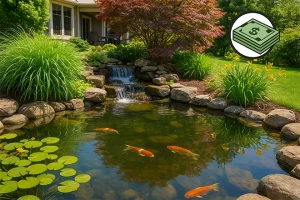
Backyard Pond Cost Considerations

When planning backyard ponds, budgeting is a key consideration.
The initial costs can vary widely, depending on the size and complexity of the pond. The pond building costs include excavation, pond liner, pumps, filters, and landscaping elements like rocks and plants.
Ongoing maintenance expenses should also be factored in.
This includes the cost of running the pump, which is why energy efficiency is important, especially in larger ponds.
Seasonal maintenance, like preparing the pond for winter or spring cleaning, can also incur costs.
Let’s not forget the cost of adding koi fish and keeping them healthy.
However, with proper planning and care, your pond can be relatively low-maintenance.
Discover the Magic of Water Features With Morganton Ponds & Hardscapes
Morganton Ponds & Hardscapes specializes in turning these ideas into stunning realities perfectly suited to Morganton’s unique landscapes. Our expertise ensures that your backyard pond is not only a beautiful addition but also a sustainable and thriving habitat.
Ready to transform your outdoor space into a serene paradise? Fill out our contact form today, or give us a call. Let Morganton Ponds & Hardscapes help you create the backyard retreat of your dreams.