Finding The Perfect pH Balance For Your Koi Pond
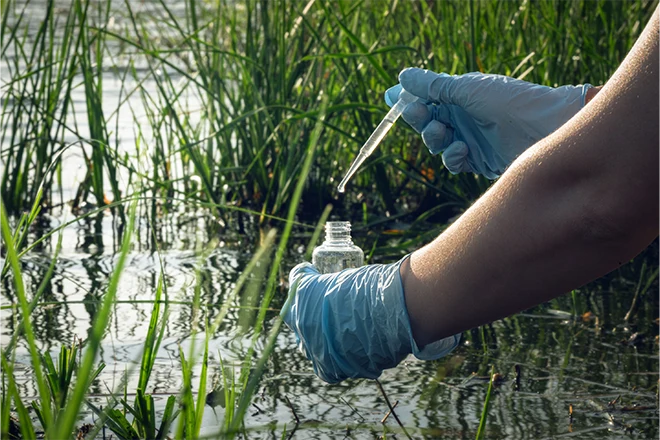
Is your koi pond not looking as vibrant as it used to? Ever wondered if the water’s pH could be the culprit?
In this post, you’ll learn about the importance of maintaining the right pH levels in your pond, the factors that influence these levels, and how to adjust them to keep your koi happy and healthy.
By the end, you’ll have the right amount of pond maintenance knowledge to create a thriving aquatic environment right in your backyard.
The Ideal pH Of Pond Water
The ideal pH of pond water is between 6.5 and 8.5. This range closely mimics the natural pH levels found in freshwater habitats.
Maintaining this balance is critical because it affects the biological processes of pond fish and other aquatic animals. Fish, for instance, have a natural blood pH of around 7.4, and the closer the pond water pH is to this level, the healthier the fish will be.
In the neighborhood of East Morganton, keeping the pond’s pH within this range can help avoid problems like disease and stress in your koi. The balanced pH also supports the growth of beneficial bacteria that break down harmful waste products in the water.
What Is pH And Why It Matters
pH measures how acidic or alkaline the water is on a scale from 0 to 14, with 7 being neutral. For a healthy pond, keeping the pH in the right range is essential for the well-being of your fish and other aquatic life. In Morganton, NC, maintaining the correct pH levels can help ensure that your pond life thrives in the local environment.
Impact On Fish And Aquatic Organisms
When the pH of pond water is within the ideal range, it promotes a stable environment for fish and other aquatic life.
Fish can tolerate slight fluctuations in pH, but large or sudden changes can be harmful. A stable pH supports proper respiration, digestion, and overall health of pond inhabitants.
It also ensures that aquatic plants can grow effectively, contributing to the overall health and clarity of the pond.
Factors Influencing Pond Water pH
Several natural and human-induced factors can influence the pH levels in your pond. Understanding these factors can help you maintain a healthy pond environment.
Natural Factors
Rainwater Runoff
Rainwater runoff can significantly affect the pH of your pond water.
Rainwater is often slightly acidic due to dissolved carbon dioxide and other atmospheric pollutants, which can lower the pH of your pond water. In Morganton, especially during heavy rainfall, monitoring the pond water’s pH is crucial to prevent it from becoming too acidic.
Decomposition of Organic Material
Organic matter such as leaves, fish waste, and dead plants decompose in the pond, releasing acids that can lower the pH of pond water. Regular maintenance, like removing fallen leaves and dead plant material, can help keep the pH levels stable.
Algal Blooms
Algae growth can also influence the pH of pond water. During the day, algae consume carbon dioxide for photosynthesis, which can raise the pH. At night, the process reverses, and the pH can drop.
Managing algal blooms through regular cleaning and appropriate filtration systems can help maintain stable pH levels.
Human-Induced Factors
Overstocking Fish
Having too many fish in your pond can increase the production of waste, which in turn releases more acids into the water, lowering the pH of your pond’s water. It’s important to maintain a balance between the number of fish and the size of your pond to ensure the pH remains stable.
Want to know how to correctly stock your koi pond?
Introduction of Limestone and Concrete
Limestone and concrete structures in and around your pond can leach minerals into the water, raising the pH. If you notice your pond’s pH getting too high, check for any new concrete additions or limestone rocks that might be contributing to the problem.
Chemical Treatments
Using certain chemicals to treat pond water can alter its pH. Always test the water before and after adding any treatments to ensure that they do not disrupt the pH balance.
Chemical vs. natural pond water treatments
Effects of Tap Water
When adding tap water to your pond, be aware that it can affect the pH of pond water. Tap water typically contains chlorine and other chemicals that can raise the pH. It’s a good practice to use a water conditioner to neutralize these chemicals before adding tap water to your pond.
Effects Of Incorrect pH Levels
Maintaining the right pH of pond water is crucial, as deviations can significantly impact pond life. Both low and high pH levels can cause various issues, making it essential to keep your pond’s pH within the ideal range.
Low Pond pH Problems
When the pH of pond water drops too low, it becomes acidic water, which can be harmful to fish and other aquatic animals. Acidic water can lead to metal leaching from plumbing fixtures, introducing heavy metals into the pond, which can be toxic to pond fish and other pond inhabitants.
Metal Leaching and Toxicity
Low pH levels cause metals like copper and lead to leach from pipes and fixtures, which can poison fish.
Acidosis in Fish
Acidosis occurs when fish are exposed to low-pH water, causing their blood to become too acidic. Symptoms of acidosis include lethargy, rapid gill movement, and increased mucus production. If not corrected, it can be fatal to pond fish.
High pH Problems
On the other end of the spectrum, high pH, or alkaline water, can also be detrimental to a healthy pond. High pH levels disrupt the balance necessary for the health of fish and plants.
Respiratory and Renal Issues in Fish
High pH levels can cause respiratory and renal problems in fish. Fish may start gasping for air at the water surface, showing signs of stress, and even isolating themselves. In extreme cases, high pH can be fatal.
What other koi fish diseases should you be on the lookout for?
Behavioral Changes and Potential Death
Fish in high pH water often exhibit unusual behaviors, such as avoiding certain areas of the pond or staying near the bottom. Prolonged exposure to high pH can lead to the death of fish and a decline in overall pond health.
Effects on Aquatic Plants and Algae
High pH levels can also affect plant growth. While some aquatic plants may thrive in alkaline water, many will struggle, leading to imbalances in the ecosystem. Additionally, high pH can promote algae growth, which can further destabilize the pond environment.
Methods To Adjust Pond Water pH
If your pond water pH is outside the ideal range, there are several methods to adjust it and maintain a healthy balance for your pond life.
Raising The pH Of Pond Water
If your pond water is too acidic, here are a few methods to raise the pH:
Using Baking Soda: Baking soda is a simple and effective way to increase pH. Dissolve one teaspoon of baking soda in a gallon of pond water and gradually add it to the pond. This method helps raise the pH without causing a sudden spike.
Adding Crushed Coral: Crushed coral slowly releases calcium carbonate into the water, increasing the pH over time. Adding crushed coral to your pond’s filter can help stabilize pH levels, ensuring a gradual and safe adjustment.
Placing Limestone Rocks: Limestone rocks naturally leach minerals that raise the pH of the pond water. Strategically placing limestone around your pond can help maintain a stable pH level.
Increasing Aeration: Aeration helps raise the pH by reducing the carbon dioxide levels in the water. Installing an air pump or a fountain can enhance aeration, helping to balance the pond’s pH.
Lowering The pH Of Pond Water
If your pond water is too alkaline, consider these methods to lower the pH:
Algae Removal Techniques: Excessive algae can contribute to high pH levels. Regularly removing algae, either manually or using UV clarifiers, can help lower the pH of your pond water.
Adjusting KH Levels: Carbonate hardness (KH) buffers the pH levels and keeps them stable. If your pond’s pH is too high, adjusting the KH levels by adding substances that increase acidity can help lower the pH.
Using Peat Moss: Peat moss releases tannic acid into the water, gently lowering the pH. Adding peat moss to your pond filter or directly into the water can help reduce alkalinity.
Implementing CO2 Systems: For advanced pond keepers, introducing a CO2 system can help lower the pH by increasing carbon dioxide levels, which react with water to form carbonic acid. This method should be used cautiously to avoid harming fish.
Performing Partial Water Changes: Replacing a portion of the pond water with slightly acidic water can help lower the pH. Ensure the new water is dechlorinated and matches the pond’s temperature to avoid shocking the fish.
Additional Water Quality Parameters
Maintaining a healthy pond involves more than just monitoring pH levels. Several other water quality parameters are essential for the well-being of your pond’s inhabitants.
Nitrate-Nitrogen And Total Phosphorus
Nitrate-nitrogen and total phosphorus are key nutrients that, in excess, can lead to algae blooms and poor water quality. Regularly testing for these nutrients and managing their levels can help maintain a healthy pond environment.
Total Dissolved Solids (TDS)
Total dissolved solids measure the combined content of all organic and inorganic substances in the water. High TDS levels can indicate pollution or runoff, affecting the pond’s pH and overall health. Monitoring and managing TDS levels can help identify and address sources of contamination.
Alkalinity And Hardness
Alkalinity and hardness play a crucial role in stabilizing pH levels. Alkalinity measures the water’s ability to neutralize acids, while hardness is determined by the levels of calcium and magnesium. Regularly testing and adjusting these parameters can help maintain a stable and healthy pond environment.
Advanced Water Quality Monitoring
Maintaining the right pH of pond water is essential, but it’s only one piece of the puzzle when it comes to ensuring a healthy pond. Advanced water quality monitoring involves keeping an eye on several other parameters to create an optimal environment for your pond life.
Metals And Toxic Substances
Heavy metals and other toxic substances can infiltrate your pond water through various sources, such as runoff from surrounding areas or leaching from plumbing fixtures. Metals like lead and copper are particularly harmful to aquatic life, including fish and plants.
It’s crucial to regularly test pond water for these contaminants. Using specific water testing kits designed for heavy metals can help you identify and mitigate these risks. Implementing filtration systems or adjusting the pH level balance can also be effective strategies to reduce the presence of these toxic substances.
Understanding Test Kit Results
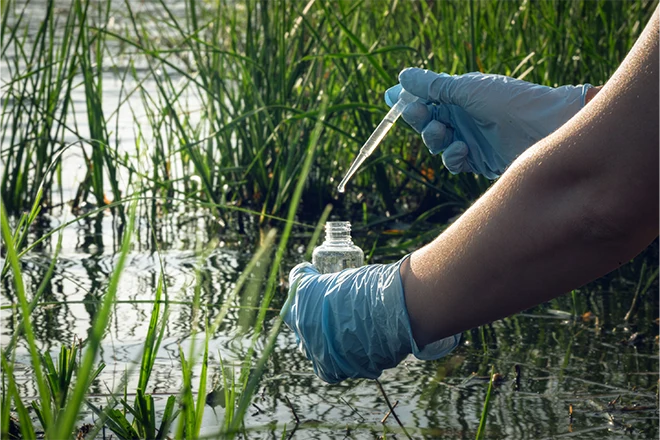
For pond owners, understanding the results from water testing kits is vital. These kits measure parameters such as pH, alkalinity, nitrate-nitrogen levels, and heavy metals. Knowing how to interpret these results can guide you in making the right adjustments to maintain a balanced and healthy pond ecosystem.
Regular testing and monitoring allow you to catch potential issues early before they escalate into major problems. This proactive approach ensures the well-being of your pond inhabitants and the overall quality of the water.
Practical Tips For Pond Owners
Keeping your pond in top shape involves more than just maintaining the pH of pond water. Here are some practical tips to help you manage your pond effectively and ensure a thriving aquatic environment.
Maintaining Oxygen Levels
Adequate oxygen levels are crucial for the health of your pond life. Oxygen supports the respiration of fish and other aquatic animals and aids in the decomposition of organic matter.
In neighborhoods like Riverside, installing aerators or fountains can enhance the oxygenation of your pond. These devices increase the dissolved oxygen levels in the water, promoting a healthier ecosystem.
Additionally, regularly cleaning debris from the pond helps prevent the buildup of organic matter that can deplete oxygen levels.
Managing Nitrogen Compounds
Understanding the nitrogen cycle is key to maintaining a healthy pond. Fish waste releases ammonia into the water, which is then broken down by beneficial bacteria into nitrites and finally into nitrates. High levels of these compounds can be harmful to fish and other pond inhabitants.
Implementing biological filtration systems can help manage ammonia, nitrites, and nitrates. Regular water testing will keep you informed about the levels of these compounds, allowing you to take corrective actions as needed.
Controlling Phosphate Levels
Phosphates can enter your pond through various sources, including fish food, plant fertilizers, and tap water. High phosphate levels can lead to excessive algae growth, which disrupts the balance of the pond ecosystem.
Using phosphate-absorbing media in your pond’s filtration system can help keep phosphate levels low. Additionally, minimizing the use of phosphorus-rich fertilizers near your pond and conducting regular water changes can prevent phosphate buildup.
Using Flocculants
Flocculants are substances that help clear cloudy water by binding fine particles together, making them easier to filter out. If your pond water is cloudy due to suspended sediment, using a flocculant can quickly improve water clarity.
By implementing these practical tips, pond owners in Morganton, NC, can maintain a healthy and visually appealing pond environment.
Comprehensive Guide To Pond Parameters
To keep your pond in optimal condition, it’s important to monitor and adjust various water parameters regularly. Here’s a summary of the ideal water parameters and how to achieve them:
Summary Of Ideal Water Parameters
- Oxygen Levels: Maintain a minimum of 6.0 mg/L to ensure adequate oxygenation for fish and other aquatic life.
- pH Range: Keep the pH between 6.5 and 8.5 to provide a balanced environment for pond inhabitants.
- KH (Carbonate Hardness): Aim for a level between 95 ppm and 150 ppm to stabilize pH and support beneficial bacteria.
- Ammonia: Keep ammonia levels at 0 ppm, but they can go up to 0.5 ppm if the pH is neutral. High ammonia levels can be toxic to fish.
- Nitrite: Maintain nitrite levels as low as possible, ideally at zero. Nitrites can harm fish if they accumulate.
- Nitrate: Keep nitrate levels below 20 ppm. Higher levels can lead to algae growth and poor water quality.
- Phosphate: Aim for phosphate levels around 0.05 ppm to prevent algae blooms and maintain water clarity.
Tools And Products For Maintaining Water Conditions
There are several tools and products available to help you monitor and adjust your pond water parameters:
- Water Test Kits: Essential for regularly testing pH, ammonia, nitrites, nitrates, and phosphates.
- Aerators and Fountains: Increase dissolved oxygen levels and promote water circulation.
- Biological Filtration Systems: Help manage ammonia and nitrites by supporting beneficial bacteria.
- Phosphate-Absorbing Media: Reduce phosphate levels to prevent algae growth.
- Flocculants: Improve water clarity by binding and removing suspended particles.
You’ll also want to know the steps to pond maintenance and these tips.
Keep Your Pond Balanced With Morganton Ponds & Hardscapes
Morganton Ponds & Hardscapes is your go-to expert for maintaining the ideal pH of pond water and ensuring a thriving ecosystem in your backyard. With our professional pond maintenance services, we can help you keep your pond water balanced and your pond life healthy.
Let us handle the complexities of water quality parameters so you can enjoy a beautiful and serene pond without the hassle. Fill out our contact form today, or give us a call to get started on creating your perfect pond oasis!