Living the Long Pond Game — How Long Can Koi Really Last?
How long could a fish live if the pond life is perfect? And could your koi really stick around for decades—or even centuries?
In this post, you’ll learn the real lifespan of koi fish, what affects it, and how to help them live as long as possible.
By the end, you’ll feel confident creating a peaceful, long-lasting pond your koi can thrive in for years to come.
How Long Do Koi Fish Live?
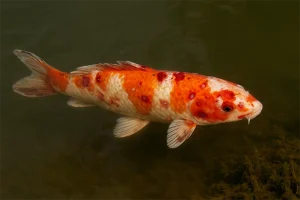
Koi fish live an average of 25 to 35 years with proper care. Some koi have lived over 200 years, such as the famous Japanese koi named Hanako. Lifespan depends on genetics, water quality, diet, and seasonal care. Backyard koi often thrive for decades when raised in ideal pond conditions.
What Affects Koi Lifespan?
- Water Quality & Pond Conditions
- Diet & Nutrition
- Genetics & Selective Breeding
- Space & Overcrowding
- Predators & Stress
Water Quality & Pond Conditions
Koi fish are incredibly hardy, but their health depends heavily on the environment around them.
One of the biggest lifespan influencers is water quality.
Poor water conditions can quickly lead to disease, stress, and shortened lives. Keeping your pond water clean and balanced is essential.
The pH of pond water should hover between 7.0 and 8.5, and filtration systems should run consistently to remove toxins like ammonia and nitrites.
If the oxygen levels drop or the pond gets stagnant, koi may struggle to breathe and become vulnerable to illness.
During winter, when hard frosts hit the Blue Ridge foothills, ponds that freeze over completely can cut off oxygen—something that’s especially dangerous for fish. A pond heater or de-icer ensures there’s always a hole in the ice for gas exchange, protecting your koi’s lifespan through the cold season.
We can keep your koi pond clean and clear.
Diet & Nutrition
What you feed your koi matters just as much as where they live.
A well-balanced diet supports healthy growth and extends a koi’s lifespan.
In warm weather, when their metabolism is high, koi benefit from food with 30 to 40 percent protein. This helps support growth and maintain bright patterns.
But feeding doesn’t stay the same year-round.
As water temperatures drop in autumn, especially after the first leaf-peeping weekends around Grandfather Mountain, you should switch to a wheatgerm-based formula and stop feeding entirely once the water dips below 50°F.
Overfeeding or giving them an overly rich diet can lead to fat buildup and organ strain, shortening their life expectancy.
Genetics & Selective Breeding
Genetics play a surprisingly big role in how long koi fish live.
Japanese koi tend to have longer lifespans because Japanese breeders focus on selective breeding that prioritizes health and longevity.
In contrast, domestic koi—especially those bred quickly for color and size in western countries—often have shorter lifespans.
The gene pool matters: koi that come from a line of carefully raised, healthy fish are more likely to grow stronger and resist illness. If you’re choosing between types of koi, investing in well-bred Japanese koi from a trusted source could make a huge difference in how long your fish live.
Space & Overcrowding
While koi fish aren’t the most demanding when it comes to companionship, they do need plenty of room to swim and grow.
An overcrowded pond stresses fish and lowers water quality, both of which shorten their lives.
A good rule of thumb is at least 250 gallons of pond water per koi. This allows each fish enough room to thrive without competing too heavily for food or oxygen.
Overcrowding can also increase aggression, waste buildup, and the risk of spreading disease. For a healthy, long-lived group of koi, think carefully about how many fish your pond can realistically support.
Predators & Stress
Ponds that lack hiding places or deep zones leave koi vulnerable to predators and stress, two common factors that affect how long koi fish live.
Herons, raccoons, and even neighborhood cats can take an interest in your koi if given the chance.
Stress from predator threats—or even just poor pond design—can weaken your koi’s immune system and shorten their lifespan.
Adding features like fish caves, tunnels, water plants, and deeper water zones helps koi feel safe and reduces their need to constantly stay alert. Less stress means stronger immune systems and longer, healthier lives.
Disease Prevention & Veterinary Care
Even with excellent care, koi can still get sick.
Common illnesses include Koi Herpes Virus (KHV), bacterial infections, parasites like Ich, and fungal problems.
To reduce the risk, always quarantine new fish before adding them to your pond—ideally for 2 to 4 weeks. Watch for signs of illness such as clamped fins, unusual swimming patterns, or loss of appetite.
Early detection and treatment are key to extending your koi’s lifespan.
Some pond owners even work with aquatic veterinarians to develop seasonal health plans or to treat serious issues.
A proactive approach to koi health will reward you with fish that thrive for decades.
What are the Life Stages of a Koi Fish?
- Fry (0–3 Months)
- Juvenile (3–12 Months)
- Young Adult (1–3 Years)
- Mature Adult (3–10 Years)
- Senior (10+ Years)
Fry (0–3 Months)
Koi begin life as delicate fry, typically just millimeters long.
At this stage, they’re extremely vulnerable to predators, algae blooms, and water quality issues. They require stable temperatures and high oxygen levels, usually in a separate tank or controlled environment.
Feeding begins with powdered fry food or infusoria, gradually transitioning to tiny pellets as they grow.
Even though they’re small, the conditions during this stage set the foundation for their future health and lifespan.
Juvenile (3–12 Months)
Once koi reach the juvenile stage, their growth rate accelerates.
You’ll notice them doubling in size quickly while also beginning to show hints of their eventual coloration.
This is a high-energy time in a koi’s development, so they need high-protein food—around 30% to 40%—and regular water changes to support their growing bodies.
Juvenile koi are still considered smaller fish, but are far more capable of handling slight changes in the pond environment.
Young Adult (1–3 Years)
Koi reach sexual maturity around 2 to 3 years old, transitioning into their young adult phase.
During this time, growth slows, but their color patterns become more vivid and defined.
Their immune systems are stronger, but they still need consistent water quality and seasonal feeding adjustments.
This is also the time when many pond owners start to notice the difference between various types of koi, from the more refined Japanese koi to the faster-growing domestic koi.
Mature Adult (3–10 Years)
This is the stage where koi reach their full size, typically between 20 and 36 inches, depending on their genetics and environment.
A mature adult koi is well-established in its social group and usually shows off its full pattern and body shape.
With proper care, this phase can last many years.
Mature koi still need a balanced diet, clean pond water, and protection from stress to remain healthy.
Senior (10+ Years)
Koi that live past 10 years enter their senior stage, where growth slows significantly and signs of aging appear.
They may swim more slowly, lose some vibrancy in their patterns, or show changes in appetite.
At this age, softer food is easier to digest, and pond owners should monitor for issues like tumors, swim bladder problems, or joint stiffness.
Senior koi are a symbol of successful long-term koi keeping—like the ancient trees lining Asheville’s historic Biltmore Estate, they represent patience, care, and legacy.
Seasonal Pond Care for Longer Koi Fish Lifespan
Spring
As the water warms in spring, koi wake from their winter slowdown and gradually become more active.
This is the time to begin feeding again, starting with small amounts and gradually increasing as temperatures rise.
Seasonal pond maintenance steps should include cleaning out any debris that accumulated over winter and checking filtration systems.
Watch closely for parasites or signs of illness, which often emerge after seasonal transitions.
Summer
Warm water boosts koi activity and growth, making this the peak feeding season.
Provide food high in protein and be consistent with water testing.
Make sure oxygen levels stay high—especially during heatwaves, which can reduce oxygen and trigger the need for koi pond algae control.
Just like shade makes a world of difference on a summer day at Lake James, adding shade and aeration helps keep pond temperatures stable and comfortable for your koi.
Autumn
As temperatures begin to cool, your koi will naturally slow down.
Transition their food to a wheatgerm blend, which is easier to digest.
Once water temperatures drop below 60°F, gradually reduce feeding.
Prepare the pond by adding protective netting to keep out falling leaves and by cleaning filters to avoid buildup going into winter.
Winter
In cold climates, koi enter a state similar to hibernation once the water dips below 50°F.
Stop feeding entirely during this time to prevent digestion issues.
It’s vital to keep a hole in any ice that forms—use a pond heater or de-icer for this purpose.
Although koi can survive cold winters, they still need oxygen and safe conditions to make it through the season and into spring.
Professional pond maintenance helps your koi live longer.
Make Every Year Count — Koi Care That Lasts with Morganton Ponds
A long koi fish lifespan doesn’t happen by accident—it starts with thoughtful pond design, smart upgrades, and consistent care. Morganton Ponds & Hardscapes builds and maintains koi ponds to support better water quality, safe wintering, and years of healthy fish.
If you’re ready to give your koi a pond built and maintained for the long haul, fill out our contact form today or give us a call. Let’s design a space your fish will love and your family will enjoy for decades—whether it’s a peaceful retreat overlooking Table Rock or a backyard pond in the Asheville suburbs.