Create Your Backyard Pond Paradise
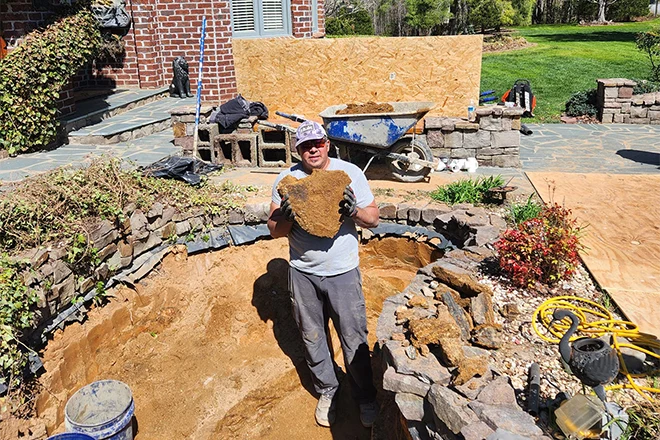
Have you ever dreamed of having a serene koi pond in your backyard? Wondering how to create a beautiful, low-maintenance backyard koi pond that adds tranquility and charm to your home?
In this post, you’ll learn how to build a koi pond, step-by-step.
By the end, you’ll know what your pond building project takes to complete.
Overview of How To Build a Koi Pond in 14 Steps
- Location Selection
- Design and Blueprint
- Budgeting
- Marking the Pond Area
- Gathering Materials
- Checking Regulations
- Excavation
- Installing Underlayment and Liner
- Setting Up Filtration and Aeration Systems
- Adding Rocks and Gravel
- Plumbing Setup
- Filling the Pond
- Adding Aquatic Plants and Decor
- Introducing Koi Fish
Here’s what you need to know before installing a backyard pond.
Koi Pond Installation Basics

Creating a koi pond isn’t just about adding a water feature—it’s about building a safe, healthy home for your fish. Every detail, from depth to location, plays a key role in keeping your koi thriving.
Pond Depth
While koi are coldwater fish, they prefer temperatures between 59°F and 77°F.
A pond at least 3 feet deep helps maintain this range, allowing koi to stay cool during summer. Greater depth also provides protection from predators like raccoons and birds.
Pond Size
Koi fish need plenty of space.
For five koi, aim for a pond holding 1,000 to 1,500 gallons.
For ten or more, look for a capacity of at least 3,000 gallons.
A 3,000-gallon pond could measure around 18 by 24 feet with a depth of 3 feet. Even smaller ponds, like a 1,000-gallon one, need to maintain the same depth for koi to thrive.
Pond Location
The pond’s location impacts the koi’s health and water quality as well as your enjoyment.
Place it near the house for easy access to water and electricity. A balanced mix of sun and shade helps moderate water temperature and slows algae growth, which benefits both the fish and the pond’s overall health.
Pond Circulation
Proper oxygen levels are critical for koi ponds.
Oxygen supports fish respiration and aids beneficial bacteria in breaking down waste, keeping the ecosystem healthy.
Features like fountains or waterfalls naturally aerate the water, but heavily stocked ponds or larger setups may need a dedicated aeration system. This is especially important in winter when ice can cover the pond.
Contact us today about your pond project.
How To Build a Koi Pond

Tools and Materials Needed for a Koi Pond Install
Tools:
- Shovel
- Marking paint
- Garden hose
- Tape measure
- Backhoe (optional)
Materials:
- 45-mil EPDM liner
- 4-inch flexible hose pipe
- Rocks and gravel
- Mechanical surface skimmer
- Biological filters
1. Location Selection
Choosing the right location for your koi pond is essential for its success. A well-chosen pond location will make maintenance easier and enhance your backyard’s aesthetics.
Importance of Sunlight and Shade Balance
Koi ponds need a balance of sunlight and shade to maintain optimal water temperature and promote the healthy growth of aquatic plants.
Too much direct sunlight can raise the water temperature, leading to algae growth and stressing the koi fish. Excessive shade can limit plant growth and reduce oxygen levels.
Aim for a spot that receives partial shade, especially during the hottest parts of the day.
Proximity to Home for Convenience and Visual Enjoyment
Placing your koi pond close to your home ensures easy access for maintenance and allows you to enjoy the tranquil view from inside your house. Proximity to a water source, like a garden hose, is also beneficial for filling and cleaning the pond.
Considerations of Yard Topography
The natural slope of your yard can help with pond drainage and water flow.
Avoid low-lying areas that may collect runoff, which can introduce harmful bacteria and debris into your pond.
Ideally, the pond should be in a slightly elevated spot to prevent overflow and flooding during heavy rains.
2. Pond Design and Blueprint

Creating a solid koi pond design and blueprint is the foundation of building a successful koi pond.
Determining the Size and Shape of the Pond
When deciding the size of your koi pond, consider the number of koi fish you plan to keep.
A minimum pond depth of 3 feet is recommended to protect the fish from predators and extreme weather. The pond’s surface area should also be large enough to provide adequate oxygenation.
Deciding on Materials
Choose between materials like fiberglass-finished concrete or rubber pond liner. Concrete is durable but more expensive, while rubber pond liners are flexible and easier to install.
Both materials will effectively hold water and create a safe environment for your koi.
Considering Local Climate and its Impact
In Charlotte, NC, the climate can vary greatly.
Koi fish can survive in a range of temperatures, but it’s important to ensure your pond doesn’t freeze completely in winter or overheat in summer.
Incorporate features like waterfalls or aerators to maintain water movement and oxygen levels.
Incorporating Desired Features and Pond Ideas
Think about additional features you might want, such as a waterfall, retaining wall, or decorative stones. These enhance the visual appeal of your pond and help maintain water quality and provide shelter for the koi.
3. Budgeting for a Pond
Proper budgeting ensures you have the resources to complete your koi pond project without unexpected costs.
Estimating Costs for Materials and Labor
Calculate the costs of essential materials like pond liners, pumps, filtration systems, and pond skimmers. Don’t forget to budget for excavation, labor, and additional elements like rocks and aquatic plants.
Cost-effective Options and Their Trade-offs
While cutting costs is tempting, remember that quality materials and proper installation are crucial for a durable and beautiful koi pond.
For instance, opting for a cheaper pond liner might save money initially but could lead to higher maintenance costs in the long run.
Need to know the pond building cost?
4. Marking the Pond Area
Accurately marking the pond area is a critical step in ensuring the pond’s shape and size are as planned.
Use spray paint or flags to mark the outline of your pond. This helps visualize the pond’s location and make any necessary adjustments before you start digging.
Walk around the marked area to see how it fits with the rest of your backyard. Adjust the shape and size if needed to ensure it complements your outdoor space.
5. Gathering Pond Materials
Having all the necessary materials before you start construction will save time and prevent delays.
Ensure you have a quality pond liner, filtration system, pump, and UV system. These components are vital for maintaining clear and healthy pond water.
Collect rocks, gravel, and aquatic plants to create a natural and visually appealing environment for your koi fish pond. These elements also support beneficial bacteria that help keep the water clean.
6. Checking Local Pond Regulations
Before you start digging, it’s important to understand and comply with local regulations.
Check if you need any permits for building a pond in Charlotte, NC. Understanding local regulations will help you avoid fines and ensure your pond construction goes smoothly.
7. Pond Excavation
Excavation is one of the most labor-intensive steps, but it’s crucial for creating a stable and functional pond.
Start digging according to the marked outline, creating shelves at different depths. These shelves are important for placing aquatic plants and providing different levels for your koi fish.
Dig the pond to a minimum depth of 3 feet to protect the koi from predators and extreme weather. The deeper areas also help maintain stable water temperatures and provide a safe habitat for the fish.
8. Installing Underlayment and Pond Liner
The underlayment and pond liner are crucial components in creating a durable and leak-proof koi pond. These materials form the foundation that holds the pond water and provides a stable environment for your koi fish.
Protecting the Liner From Damage
Before installing the pond liner, lay down an underlayment to protect it from sharp objects like rocks and roots that could puncture it.
The underlayment acts as a cushion, ensuring the liner remains intact and has a longer lifespan. Make sure to smooth out any wrinkles or folds in the underlayment to prevent damage.
Proper Installation of the Liner
When installing the pond liner, ensure it covers the entire pond area with some excess around the edges. This excess will be trimmed later but is necessary to allow for adjustments.
Carefully press the liner into the corners and shelves, smoothing out wrinkles to avoid weak spots.
Secure the liner around the pond’s edge with larger rocks or landscaping to hold it in place.
9. Setting Up Pond Filtration and Aeration Systems
A good filtration system is essential for maintaining clean and healthy pond water, while aeration systems ensure adequate oxygen levels for your koi fish.
Importance of Mechanical and Biological Filters
Mechanical filters remove debris and particles from the pond water, while biological filters use beneficial bacteria to break down fish waste and other organic matter.
These two components work together to keep the pond water clear and free from harmful bacteria. Install a pond skimmer to help remove surface debris.
Ensuring Adequate Aeration
Aeration is crucial for maintaining oxygen levels, especially during the hot summer months in Charlotte, NC. A water pump or waterfall can help circulate the water and provide necessary oxygen.
Position the pump at opposite ends of the pond to create a continuous flow and prevent stagnant areas.
10. Adding Pond Rocks and Gravel
Rocks and gravel enhance the natural look of your koi pond and provide surfaces for beneficial bacteria to colonize, aiding in water filtration.
Add larger rocks and gravel to the bottom of the pond and around the edges. This helps mimic a natural habitat and gives the pond a more aesthetically pleasing appearance.
Arrange the rocks to create hiding spots and resting areas for your koi fish.
The gravel and rocks provide ample surface area for beneficial bacteria to grow, which helps in breaking down fish waste and maintaining clear pond water.
11. Pond Plumbing Setup
Proper plumbing ensures that your pond’s filtration and aeration systems function efficiently.
Install the water pump with the appropriate gallon-per-hour (GPH) rating for your pond size.
Connect the pump to the filtration system using flexible tubing or PVC pipes. Ensure all connections are secure to prevent leaks.
Position the return line from the filter to the pond, ideally incorporating a waterfall or stream for additional aeration.
Check all plumbing connections to ensure they are tight and free from leaks.
Test the system to make sure water flows freely through the filtration system and back into the pond.
Adjust as necessary to ensure optimal performance.
12. Filling the Pond
Once all components are in place, it’s time to fill your pond with water.
Use a garden hose to slowly fill the pond with water. As the pond fills, adjust the liner to ensure it stays in place and smooth out any remaining wrinkles.
Monitor the water level to prevent overfilling.
As you fill the pond, carefully check for any leaks around the edges and connections. Address any issues immediately to prevent water loss.
Once the pond is filled, let the water sit for a few hours to settle.
If you are going to add fish, you will want to add water treatments to balance the water chemistry so it’s healthy for fish.
13. Adding Aquatic Plants and Decor
Aquatic plants and decorative elements enhance the beauty of your koi pond and provide essential benefits for the ecosystem.
Choose a variety of aquatic plants that thrive in your climate.
Plants like water lilies and lotus add visual appeal and help maintain water quality by absorbing nutrients that could otherwise promote algae growth.
Plant them in different depths of the pond to create a natural look.
Add decorative stones, statues, or other elements to personalize your koi pond. These features can create a focal point and make your pond a unique part of your backyard.
Are you curious about the cost of pond plants?
14. Introducing Koi Fish
The final step is to introduce your koi fish to their new backyard pond home.
Before adding fish to the pond, acclimate them gradually to prevent shock.
Float the bag with the koi fish in the pond for about 15-20 minutes to equalize the water temperature. Slowly add pond water to the bag to help the fish adjust to the new environment.
After adding the koi fish, closely monitor them for any signs of stress or illness.
Ensure the water quality remains high and make any necessary adjustments to the filtration and aeration systems. Providing a stable environment will help your koi fish thrive in their new pond.
And now you have your own koi pond!
What are the koi fish prices for backyard koi ponds?
FAQs About Koi Ponds
How much does it cost to put in a koi pond?
It can cost anywhere from a few hundred dollars (if you DIY) to over $20,000. On average, people tend to spend around $10,000 on a koi pond install project.
How long do you have to wait to put koi in a new pond?
It usually takes 2 days to 1 week to install the average koi pond. The timeline mainly depends on design complexity, size, weather, and who you hire.
Does a koi pond add value to a house?
A koi pond can add value to a house. If you love it, and if potential buyers love it, then it adds value!
You’ll also want to know how koi pond maintenance is done.
Build Your Pond Paradise With Morganton Ponds & Hardscapes
At Morganton Ponds & Hardscapes, we have the expertise to bring your koi pond vision to life. Our professional team will handle every aspect of construction, ensuring a beautiful and functional pond in your backyard.
Ready to transform your outdoor space? Fill out our contact form today, or give us a call to get started on building your dream koi pond.