Shaping Water the Smart Way
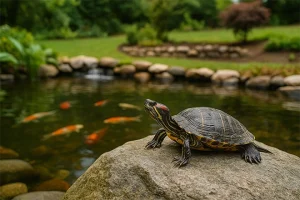
How much thought and work go into creating a backyard pond? What kind of structure can hold water and wildlife while keeping it healthy?
In this post, you’ll learn the essential components that form a healthy pond structure and how each piece supports koi, water clarity, and long-term pond management.
By the end, you’ll know what the pros should include in your koi pond build.
What Makes a Pond Structure?
- Water containment system (liner + underlayment + excavation shape).
- Circulation system (pumps, drains, returns).
- Filtration system (mechanical + biological + optional UV).
- Environmental architecture (depth, shelves, predator-safe walls, aeration zones).
How pros should build your koi pond.
The Excavation and Basin Design
Depth Requirements for Koi
Koi prefer deeper water for temperature stability and protection.
A minimum depth of around 2-3 feet helps shield them from harsh seasonal changes and predators.
In areas that experience strong winds over open water, like the open meadows near Lake James State Park, deeper areas also help prevent surface temperature swings that can stress fish.
Deeper zones allow larger fish to feed, rest, and lay eggs in calmer, safer water.
Shape and Slope
A koi pond does best with clean contours and smooth, intentional lines.
Many builders avoid soft, sloping edges because shallow slopes collect debris, encourage invasive species growth, and make it harder to control algae.
Steeper walls also keep predators from wading in.
This design is similar to the controlled edges you see around the small lakes at Catawba Meadows Park, where defined borders help maintain clean water movement.
Creating a Stable Floor
A flat or gently sloped floor helps improve how oxygen spreads through the pond, especially in deeper areas where fish like to feed and hide.
A structured bottom helps the pond function more like a natural habitat rather than a stagnant bowl.
Pond Liners and Structural Sealing
Choosing the Right Liner
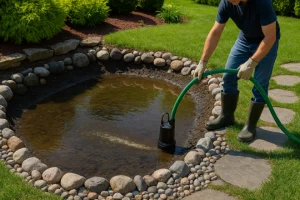
Koi ponds rely on durable liners to hold water.
EPDM liners are popular because they resist UV exposure and stay flexible as temperatures change.
A well-installed liner prevents leaks and maintains stable depth and surface area, keeping the entire structure safe.
It also supports heavier features like rocks, aquatic plants, and artificial fish habitat without tearing.
Underlayment
Underlayment acts as a protective cushion beneath the liner.
It shields the pond from roots, rocks, or other obstructions.
This simple layer helps the pond last longer and reduces concerns about small punctures that could drop water levels and disturb fish.
Edge Treatment
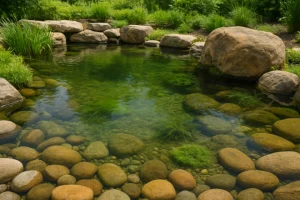
Stones, boulders, or coping give the pond a clean finish and hide the liner from damaging UV rays.
These features also create natural cover where koi can hide and feel protected.
Plants and vegetation introduced along the shoreline create shade and help control algae by blocking excess sunlight.
Thoughtfully placed edges improve both durability and overall appearance.
Pond Pump Sizing
A well-sized pump turns over the full pond volume regularly.
This movement helps maintain stable conditions, supports fish health, and prevents cloudy water.
Correct pump sizing supports both shallow and deep zones and keeps all parts of the pond active.
Filtration: The Functional Backbone
Proper filtration creates a reliable, healthy system where fish can feed, grow, and move comfortably. When filters, pumps, and drains are balanced, the pond becomes more predictable and easier to maintain.
Mechanical Filtration
Mechanical filters remove small particles before they decay.
Trapped debris is much easier to remove here than at the pond bottom.
This step protects water quality and allows biological filtration to work more effectively.
Biological Filtration
Biofilters support colonies of bacteria that break down fish waste and convert harmful substances into safer ones.
This natural process keeps water balanced and clear, similar to how streams near the Catawba River Greenway maintain clarity through steady biological cycles.
UV Clarifiers
UV clarifiers reduce green water by disrupting single-cell algae.
These devices don’t replace mechanical or biological filtration, but they help keep water clear and make maintenance easier.
Pond Aeration and Oxygen Support
Diffusers
Air diffusers sit at the bottom of the pond and release a steady stream of bubbles that rise and pull water upward.
This movement helps circulate deeper water that would otherwise sit still and lose oxygen over time.
When deeper areas stay oxygen-rich, koi can rest comfortably away from surface disturbances and fluctuating temperatures.
In well-designed ponds, the resulting circulation acts like the natural mixing seen in the quiet coves of Lake James, where steady movement keeps water clear and supports aquatic plants.
Waterfalls and Spillways
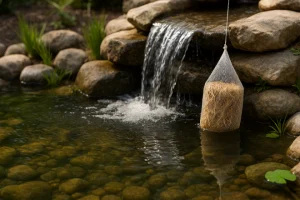
Waterfalls aren’t just decorative—they’re a structural part of pond management.
When water drops over a spillway, it picks up oxygen and redistributes it across multiple depths of the pond. This helps prevent algae from gaining a foothold and gives larger fish a healthier environment by reducing stagnant pockets.
A properly designed spillway also steers flow patterns away from shallow corners and toward deeper zones, helping further oxygenate the water.
Some koi owners even add twists or turns to the waterfall path to mimic the layered flows you see along rocky sections near Boone streams and rivers.
Seasonal Oxygen Needs
Oxygen levels shift with the seasons, so the pond’s aeration structure needs to support year-round changes.
Extra aeration becomes essential in heat waves, especially when feeding increases and fish produce more waste. Warm water holds less oxygen, and koi tend to gather near deeper areas where temperatures are cooler.
In winter, aeration helps keep a small opening in the ice that allows harmful gases to escape. A simple diffuser running at medium intensity supports a stable environment even when wind chill drops and surrounding vegetation goes dormant.
This stability helps koi avoid stress and maintain healthy growth patterns regardless of the weather.
Shelter and Habitat for Koi
Fish Caves and Tunnels
Koi thrive when they have places to hide, rest, and escape sudden disturbances.
Fish caves and tunnels give them built-in protection by replicating the natural cover found in wild lakes and sheltered inlets near Pisgah National Forest.
These structures help reduce stress by giving smaller or younger fish a place to feed and recuperate without competition from larger fish.
They also protect koi from predators that may lurk near the shoreline.
Many pond owners install caves made from PVC, rock, or durable molded material that won’t break down over time.
Aquatic Plant Shelves and Deep Zones
Plant shelves let you introduce aquatic plants without interrupting the deeper area koi prefer.
When placed strategically, shelves add natural vegetation that increases oxygen, filters nutrients, and provides shade that slows algae growth.
However, too many shelves create shallow spots where predators can stand, making koi feel exposed.
Deep zones solve this by giving koi controlled depths where they can lay eggs, rest, or escape sudden drops in temperature.
Predator-Resistant Pond Design
Vertical Walls
Vertical or near-vertical walls keep predators like raccoons or herons from walking into the pond.
Unlike gently sloped edges, these walls create an immediate depth change that makes it difficult for predators to hunt or corner fish.
For koi ponds set near wooded areas with lots of wildlife, this design is a must.
Netting, Ledges, and Strategic Depth Placement
Not every pond needs netting, but when predators become a concern, lightweight seasonal netting can protect the fish without blocking views.
Some pond owners also add overhanging ledges made from stone or wood, creating shaded pockets where fish can hide.
Pond Overflow, Drainage, and Water Management
Overflow Systems
A pond isn’t truly complete without a controlled overflow system.
Overflow drains direct excess water away from the pond during storms, preventing erosion along the shoreline and protecting the liner from lifting or shifting.
This structure keeps the pond stable even during heavy rainfall—important in regions with frequent seasonal storms.
Auto-Fillers
Auto-fill pond systems help maintain a consistent water level when evaporation or splash loss occurs.
They protect pumps by ensuring they always stay submerged and keep koi safe from sudden drops in depth.
Stable water levels also help maintain predictable oxygen levels, which affect how koi feed and move throughout the day.
Winterization Structure
Cold-weather performance often depends on how well the pond structure supports winter needs.
- Deeper areas give koi a stable, insulated spot to rest when temperatures fall.
- Easy access to plumbing lines makes it simple to shut off or bypass certain features while still maintaining essential flow.
- Aeration placed in shallow water keeps a small hole in the ice, preventing gas buildup.
This balanced setup mimics deeper coves along the Blue Ridge Parkway overlooks, where depth protects wildlife from seasonal temperature swings.
What can it cost to build a koi pond?
Maintenance-Ready Pond Design
Plumbing Access
Building a pond with accessible plumbing is one of the smartest choices you can make during construction.
If pumps, skimmers, or lines ever need repair, you want to reach them without digging through rocks or removing vegetation.
Cleanout Zones
Good pond management means encouraging debris to move toward a predictable cleanout zone.
When circulation patterns push waste toward a single location, you save hours of labor and reduce the chance of buildup in hard-to-reach corners.
Future-Proofing
Ponds evolve as fish age, surface area expands with plants, and new features are added. Leaving room for stronger pumps, expanded filtration, or added fish structure ensures the pond stays functional long-term.
Common Structural Mistakes to Avoid
Here are common mistakes made with backyard koi ponds:
Shallow Ponds
Shallow ponds warm quickly, encourage algae growth, and give predators an easy advantage.
They also reduce swimming depth, which koi need for growth and comfort.
A shallow pond often lacks the stable, deeper area essential for proper koi health.
Improper Liner Installation
Wrinkled or poorly fitted liners create pockets where waste collects and roots creep in.
Over time, these areas weaken the structure and cause leaks.
Proper liner installation with clean contours and secure edges is critical for long-term durability.
Undersized Pumps
Without a strong enough pump, debris sits in the pond and decomposes, creating ammonia spikes and oxygen drops. Undersized pumps also fail to move water through all depths, leaving stagnant pockets where algae thrive.
Overuse of Shelves
While shelves help support plants, too many create shallow, predator-friendly zones and reduce the deep water that koi fish prefer.
Poor Flow Pattern
Dead zones occur when water does not move evenly through the pond.
These areas collect debris and reduce oxygen levels.
Pro vs. DIY pond installation.
Build Better Waterscapes with Morganton Ponds & Hardscapes
Morganton Ponds & Hardscapes can design and build koi ponds with the right depth, structure, filtration, and circulation so your water stays clear and your fish stay healthy. Our craftsmanship ensures every structural element—from liners to habitat—works together as a balanced, long-term system.
If you’re ready to transform your backyard into a thriving aquatic space, fill out our contact form today or give us a call. Your ideal koi pond starts with the right team and the right structure.