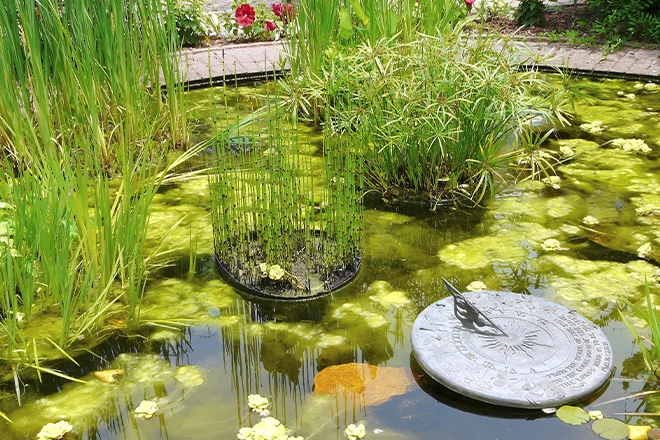
Finding The Right Balance: Chemical Or Natural Algae Control?

Ever stared at your pond, wishing the algae would just disappear? Or wondered if there’s a better way to manage it without harming your backyard ecosystem?
In this post, we dive deep into the murky waters of pond algae control, examining both chemical and natural methods to help you maintain a beautiful pond in Morganton, NC.
By the end of this guide, you’ll understand the ins and outs of effective algae management when it comes to pond maintenance and also discover how to implement these strategies safely and sustainably.
Chemical Methods For Pond Algae Control
Types Of Chemical Treatments
In Morganton, NC, combating pond algae often involves a range of chemical treatments tailored to target specific algae types effectively.
Algaecides such as copper sulfate and chelated copper are popular for their ability to rapidly kill algae and clear green water. These chemicals directly interact with algae, causing quick die-off and improving water clarity.
This Aquasacpe brand algaecide is safe for aquatic life.
Herbicides like diquat and endothall also play a significant role in pond algae control.
They inhibit photosynthesis, effectively starving the algae and preventing it from thriving. This method is particularly effective against string algae and filamentous algae that can create dense mats on the water’s surface.
Another gentle chemical method of pond algae control is the use of pond dyes.
These dyes limit sunlight penetration into the pond, reducing algae growth by blocking the light needed for photosynthesis. While these dyes help manage algae, they also enhance the pond’s aesthetic appeal by adding a vibrant or mysterious hue to the water.
Pros And Cons Of Chemical Pond Algae Treatments
While chemical treatments provide quick and effective results, they come with drawbacks that pond owners in Morganton’s Chesterfield neighborhood should consider:
Pros:
- Immediate effectiveness, especially useful for severe algae blooms.
- Broad-spectrum action can target a wide range of algae species.
- Various products are available, allowing for specific treatment of different pond issues.
Cons:
- Potential harm to the pond ecosystem due to disruption of natural balance.
- Risk of oxygen depletion and harm to non-target aquatic plants and fish.
- Possible development of algae resistance to chemicals, leading to future control challenges.
Considerations For Use
When applying chemical treatments for pond algae control in Morganton, NC, it’s crucial to use them carefully.
Proper dosage and application frequency are essential to minimize risks to the aquatic ecosystem.
Pond owners should adhere to manufacturer guidelines and may want to consult with a pond maintenance professional to ensure their pond’s health remains intact.
Natural Methods For Pond Algae Control
Biological Controls And Filters
Beneficial bacteria are essential for naturally balancing pond ecosystems by decomposing organic matter and consuming excess nutrients.
These bacteria help reduce nutrients that fuel algae growth. Integrating a biological filter into the pond system enhances these effects, ensuring beneficial bacteria thrive and effectively process nutrients in the water.
Barley straw has been used for centuries as a natural algae control method. As it decomposes, it releases compounds that inhibit algae growth.
UV clarifiers, which use UV light to kill suspended algae, provide a modern solution to algae management by sterilizing water as it circulates through the system.
Role Of Aquatic Plants And Fish In Pond Algae Control
Incorporating aquatic plants into a pond is both beautiful and effective for naturally competing with algae for sunlight and nutrients. Plants like water lilies not only provide shade but also absorb nutrients from the water, reducing the food available for algae.
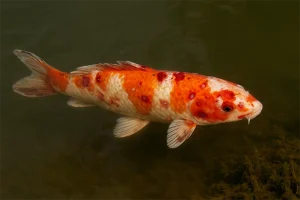
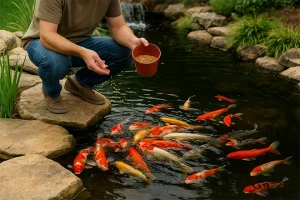
Similarly, fish, especially koi, can help control algae by grazing on it as it grows on rocks and pond liners.
However, while fish can help control algae, their waste adds to the pond’s nutrient levels, requiring proper management to prevent excessive algae growth.
Regular pond cleaning and maintenance are crucial to keep these nutrient levels in check.
Pros And Cons Of Natural Pond Algae Treatments
Natural methods are favored for their environmental friendliness and long-term benefits, though they require patience and ongoing maintenance:
Pros:
- It is environmentally friendly and works with nature to maintain pond health.
- They are generally safe for wildlife and pets, as they do not involve harsh chemicals.
- Provide a long-term solution to algae problems by promoting a balanced ecosystem.
Cons:
- Slower to show results compared to chemical methods.
- Require regular monitoring and maintenance to sustain effectiveness.
- May not be effective against all types of algae on their own, sometimes requiring additional treatments.
Discover the best methods for controlling pond algae!
Comparing Pond Algae Control Costs
When considering pond algae control methods in Morganton, NC, like around the Oak Hill area, it’s crucial to compare both the short-term and long-term financial impacts.
Initial costs for chemical treatments might be lower, with most chemicals like copper sulfate or diquat being readily available and quick to act on algae blooms. However, their repeated use might be necessary to maintain control, which can accumulate in cost over time.
In contrast, natural methods such as adding aquatic plants and installing UV sterilizers or biological filters may require a higher initial investment but often lead to lower maintenance costs in the long run.
These methods not only control algae growth but also enhance the overall water quality, reducing the need for future interventions.
Here’s the cost of backyard pond maintenance in Morganton, NC.
Maintenance Requirements
Maintaining a pond in Morganton, particularly in areas like Riverside, where pond water can be influenced by environmental factors like direct sunlight and runoff, requires regular attention.
Chemical pond algae control treatments may necessitate frequent reapplications, especially after heavy rainfalls, which can dilute their effectiveness and lead to the quick return of algae growth.
Natural methods, while generally requiring more effort upfront to establish, such as properly balancing plant life and ensuring enough beneficial bacteria to consume excess nutrients, often need less intensive maintenance once established.
Regular pond maintenance steps will include monitoring water temperature, ensuring waterfalls and other aeration sources are functioning correctly, and removing debris to prevent nutrient buildup.
Environmental Impact
Impact Of Chemical Pond Algae Control
The use of chemicals in ponds within the community of Silver Creek in Morganton can have profound impacts beyond just controlling algae growth. Chemical residues can alter the water column, affecting not just algae but also the fish and plant life that make up the aquatic ecosystem. There’s also the risk that dead algae decompose after treatment, leading to oxygen depletion and further water quality issues.
Benefits Of Natural Pond Algae Control
Natural algae control strategies, while slower to establish in a water garden, offer significant environmental benefits. Methods such as floating plants and beneficial bacteria work to out-compete algae for nutrients and provide shade, which naturally limits algae growth without introducing harmful chemicals into the environment. This approach not only preserves the local lake ecology but also enhances biodiversity, providing a habitat for wildlife and contributing to a balanced pond ecosystem.
Understanding Algae
Types Of Algae
In the broader Morganton area, including the suburban regions like Glen Alpine, ponds can be affected by various types of algae, including planktonic algae, which causes green water scenarios, and filamentous algae, which creates unsightly mats. Hair algae and water hyacinth are also common and can rapidly take over a pond if not controlled.
Factors Contributing To Algae Growth
Algae growth in ponds is primarily fueled by sunlight, excess nutrients, and warm water temperature. In environments with lots of direct sunlight, such as open backyard gardens without much shade, algae can thrive. Nutrients can come from many sources, including fertilizer runoff from nearby lawns, uneaten food from fish feeding, and natural organic matter breakdown. Managing these factors effectively is crucial to preventing algae and ensuring the health of the pond.
Keep Your Backyard Pond Clean And Clear With Morganton Ponds & Hardscapes
Morganton Ponds & Hardscapes understands the unique challenges that come with maintaining a beautiful and healthy pond in the Morganton area. Whether you prefer the rapid action of chemical treatments or the ecological harmony of natural solutions, our expert team is equipped to manage your pond maintenance needs efficiently.
Don’t let algae overtake the beauty of your backyard oasis; take the first step toward clearer water today. Fill out our contact form today or give us a call, and let Morganton Ponds & Hardscapes help you achieve the perfect balance in your pond.