Rock Solid Rules for Hardscape Maintenance

Is your once-beautiful patio starting to look a little tired? Wondering if there’s an easy way to protect your pavers, walkways, or retaining walls without spending a fortune?
In this post, you’ll learn what hardscape maintenance really involves, from quick fixes to long-term protection.
By the end, you’ll know exactly how to keep your outdoor spaces looking sharp, clean, and ready to impress (or if it’s time for a new hardscape).
What Hardscape Maintenance Involves
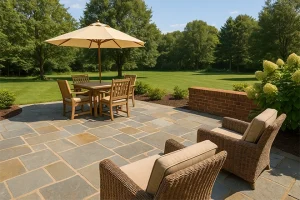
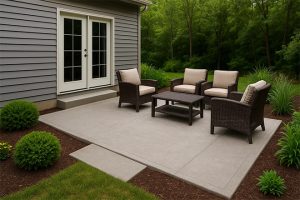
Maintain hardscapes by cleaning surfaces, controlling weeds, fixing joint sand issues, and sealing against water and UV damage. Regular maintenance prevents costly repairs and preserves the beauty of patios, walkways, driveways, and retaining walls.
Contact us about installing your hardscape.
When To Start Hardscape Maintenance After Installation
Early Signs To Watch For
After new hardscape elements are installed, you might notice some changes in the surface.
Efflorescence, a chalky white film, can show up on natural stone or concrete pavers, but it usually fades with cleaning or time.
Sand might wash out from the joints after heavy rain.
Small dips or shifts can pop up if the ground settles unexpectedly.
First-Year Critical Care
The first year after installation is the most important time for hardscape maintenance.
Regularly remove weeds, refill any missing joint sand, and gently rinse off dirt or debris with a hose to keep everything stable. Starting proper maintenance early prevents bigger problems later.
Basic Hardscape Cleaning Practices
Routine Cleaning Steps
Frequent cleaning helps keep your hardscape elements in good shape.
Sweep patios and walkways regularly to remove dirt, leaves, and sand that can scratch or stain the surface. A basic hose rinse or gentle washing keeps buildup from turning into stubborn stains that need harsher treatments.
Spot Cleaning Specific Problems
For small trouble spots, targeted cleaning is the way to go.
Use insecticides to tackle ant hills and refill disturbed joints with fresh sand to prevent erosion.
To control moss growth and weed invasion, scrape gently with a flathead screwdriver and replace the sand where needed.
For oil spills, apply a degreaser, scrub with a stiff brush, and rinse it off completely to avoid permanent stains.
Deeper Cleaning Techniques for Stains and Buildup
Power Washing Hardscapes Safely
When basic cleaning isn’t enough, power washing can help refresh patios, walkways, and driveways.
Using a pressure washer with a wide-angle tip keeps the water pressure gentle enough to clean without blasting away joint sand. Stay a safe distance away from the surface to avoid damaging pavers, brick, or natural stone.
Bleach Rinse for Mold and Algae
If your outdoor space battles moss or algae after a wet season, a bleach rinse can work wonders.
Mix one part bleach with ten parts water, lightly spray it over the affected areas, and rinse it off after about 10 minutes.
Always test on a small section first to make sure the solution doesn’t lighten the stone or concrete too much.
Acid Washing for Stubborn Stains
Acid washing is a last-resort cleaning method for hardscape surfaces with tough stains or mineral deposits.
A diluted muriatic acid solution can strip away buildup, but it needs to be used carefully with gloves and safety goggles. Always test a hidden area first, scrub with a stiff brush, and rinse thoroughly with a hose to neutralize the acid.
How To Protect Your Hardscape for the Long Haul
Sealing Surfaces Against Damage
Sealing pavers, natural stone, and concrete patios protects against UV damage, water absorption, and staining from dirt and oils.
A good sealer helps lock in color, maintain the structure, and reduce the maintenance required over time.
Resealing every 2–4 years, depending on wear and tear, gives your outdoor space an extra layer of defense.
Managing Weeds and Joint Sand Maintenance
Keeping weed growth under control is a big part of maintaining a beautiful hardscape.
Polymeric sand stabilizes joints and stops weeds from taking root between pavers and stones. If you notice cracking, erosion, or missing sand, refill and compact the joints properly to protect the structure.
Seasonal Hardscape Care Tips
Regular care in spring and fall makes hardscape maintenance easier all year long.
In spring, clear away debris, check joints, and wash surfaces to recover from winter damage.
In the fall, inspect for erosion or cracks, reseal if needed, and prep for the winter season with proper drainage and weed control.
Handling Tough Problems Before They Get Worse
Repairing Cracks and Shifts
Small cracks in concrete patios or shifting retaining wall stones can quickly turn into expensive issues if ignored. Early repairs help maintain structural integrity and prevent moisture from seeping in and making problems worse during freeze-thaw cycles.
Restoring Heavily Stained or Neglected Hardscapes
If your hardscape materials have been exposed to prolonged sun exposure, heavy foot traffic, or long-term neglect, basic cleaning might not be enough. Restoration options like deep cleaning, sanding, sealing, and even minor rebuilds can revive your outdoor space without needing full replacement.
Upgrade your patio with these hardscape ideas.
Build Beauty That Lasts With Morganton Ponds & Hardscapes
When you’re ready to add a durable, beautiful hardscape to your western North Carolina home, Morganton Ponds & Hardscapes has the skill to bring your outdoor vision to life. From patios and retaining walls to full backyard transformations, we make sure your space looks incredible and stands strong for years to come.
If you’re ready to start building a hardscape that you’ll love long-term, fill out our contact form today or give us a call. We’d love to help you create an outdoor space that’s built to last.