Rock Solid Design: The Secret to a Stunning Yard
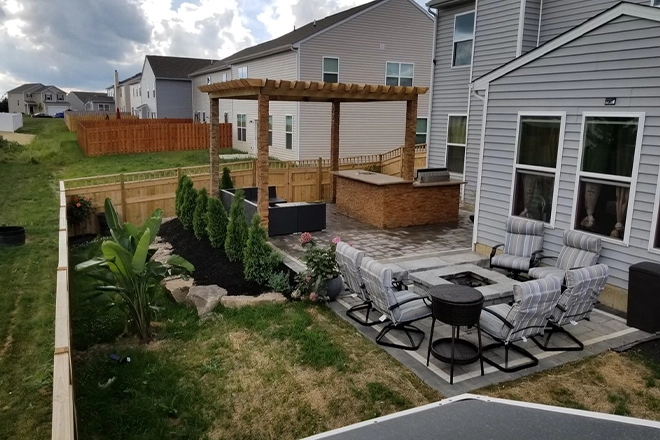
Have you ever walked through a backyard and felt like everything just fits together perfectly? Or are you wondering why some outdoor spaces feel inviting while others seem incomplete?
In this post, you’ll discover the answer to “What is hardscaping?”, the types of features it includes, and how it transforms outdoor spaces into functional, beautiful extensions of your home.
By the end, you’ll know exactly what hardscaping is and what your hardscaping project can include.
What is Hardscaping?
Hardscaping includes non-living elements in outdoor spaces, such as stone, wood, and concrete structures. It enhances aesthetics and functionality by providing pathways, seating areas, and erosion control. Hardscaping improves outdoor environments by adding durable features that complement landscaping.
Contact us about your hardscaping project today.
Common Types of Hardscaping Projects
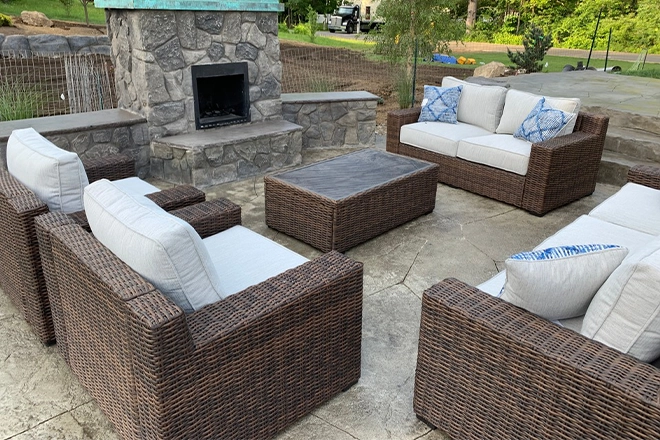
Hardscaping projects bring structure and durability to an outdoor space.
They blend hardscape elements like stone, concrete, and wood with landscaping elements to create functional spaces that enhance usability and curb appeal.
Whether you want to define a designated area in your yard or build a seamless transition between indoor and outdoor living, these hardscaping projects can completely transform your landscape.
Pathways and Walkways
A well-designed pathway does more than just lead you from one part of your yard to another. It also protects softscape elements like grass and shrubs while adding visual appeal.
Walkways can serve as a focal point in your landscape, drawing attention to water features, pergolas, or garden beds.
Popular hardscaping materials for walkways include:
- Stone walkways provide a natural and timeless look.
- Brick patios and paths for a classic aesthetic.
- Concrete pavers offer durability with easy customization.
- Loose gravel for a casual, budget-friendly option.
Retaining Walls
If your yard has slopes or uneven terrain, retaining walls help prevent erosion while adding structural support. These walls also create opportunities for tiered landscaping and offer space for trees, shrubs, and beautiful flowers while defining different levels in your yard.
Common hardscape materials for retaining walls include:
- Stone for a natural, rustic feel.
- Concrete blocks for modern and sturdy structures.
- Brick for a traditional touch with timeless appeal.
Patios and Decks
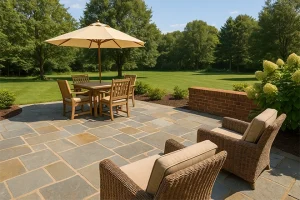
A patio or deck expands your outdoor living space. It can make it the perfect place to entertain, relax, or dine outside.
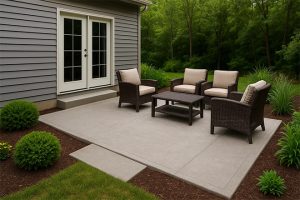
Patios can be customized with a variety of hardscape materials, including:
- Brick patios, which offer a warm and classic look.
- Concrete patios are great for durability and affordability.
- Paved areas using stone or composite decking for a low-maintenance style.
Pergolas and Gazebos
Adding pergolas or gazebos to your yard brings both style and function.
These man-made structures provide shade and help define a designated area for seating, dining, or relaxation. Pergolas and gazebos can match your style, whether you prefer the natural warmth of wood or the sleek look of metal.
Fire Pits and Outdoor Fireplaces
Nothing adds warmth and ambiance to a yard like fire pits or outdoor fireplaces.
These hardscape features encourage year-round outdoor enjoyment, making your living space more inviting on cool evenings.
Options for fire pits and outdoor fireplaces include:
- Stone fire pits for a natural and rustic aesthetic.
- Brick fire pits that blend seamlessly with patios and walkways.
- Metal fire bowls for a sleek, modern touch.
Outdoor Kitchens
An outdoor kitchen transforms your patio into a full-service cooking space. This makes outdoor dining and entertaining easier than ever. Whether you’re grilling for a summer barbecue or hosting a cozy dinner, having a dedicated cooking area in your yard adds both convenience and style.
Key features of an outdoor kitchen include:
- Built-in grills allow for easy meal preparation outdoors.
- Durable countertops made from granite, concrete, or stone.
- Sinks and storage, keeping everything within reach while cooking.
Driveways
A well-designed driveway is more than just a place to park your car. It contributes to your home’s curb appeal while providing a functional and durable surface for vehicles.
Common hardscape materials for driveways include:
- Concrete that offers longevity with options for decorative finishes.
- Brick or paver driveways add texture and visual interest.
- Gravel is an affordable and low-maintenance choice.
Seating Areas
Outdoor seating areas create inviting spaces for relaxation, conversation, and enjoying nature. Whether built into the landscape or arranged with furniture, they help define gathering spots in your outdoor space.
Seating options include:
- Built-in stone benches are often incorporated into retaining walls.
- Wooden or composite seating offers warmth and natural appeal.
- Freestanding outdoor furniture gives flexibility in design and layout.
Decorative Concrete
Concrete doesn’t have to be plain. Decorative concrete adds texture, color, and unique patterns to hardscaping projects. They make patios, driveways, and walkways more visually appealing.
Popular decorative concrete techniques include:
- Stamped concrete, which mimics the look of stone, brick, or tile.
- Stained concrete, adding rich color to otherwise plain surfaces.
- Exposed aggregate, revealing natural stones for a textured finish.
These hardscapes work wonderfully with these backyard pond ideas.
Benefits of Hardscaping

Beyond adding style and function, hardscaping offers long-term advantages that improve both the look and usability of an outdoor space.
Low Maintenance and Durability
Unlike softscape components such as grass, shrubs, and trees, hardscaping requires minimal upkeep. Patios, walkways, and retaining walls withstand weather conditions and require only occasional cleaning.
Improved Drainage and Erosion Control
By strategically placing hardscaping elements like retaining walls and paved areas, you can prevent erosion and direct water away from your home’s foundation. Permeable pavers and stone steps also help with water runoff, preventing puddles and soil displacement.
Extending Usable Outdoor Space
With well-placed hardscape features, you can maximize your outdoor living area. You can create a functional space for entertaining, relaxing, or dining. Whether it’s an elegant brick patio, a cozy fire pit, or a covered pergola, adding hardscaping helps define spaces that make your yard more enjoyable.
Increasing Property Value and Curb Appeal
Well-designed hardscaping improves a home’s curb appeal while boosting resale value. Thoughtful use of patios, walkways, and retaining walls makes an outdoor space feel polished and cohesive. This can be a major selling point for potential buyers.
Design Tips for Effective Hardscaping
Balancing Hardscape and Softscape
A successful landscape design blends hardscape elements with softscape elements like grass, trees, and shrubs. Too much hardscaping can make an outdoor space feel cold and uninviting. Too much greenery can lead to high maintenance.
Choosing the Right Materials
When installing hardscaping, choose hardscape materials that match your home’s style and climate. Stone, concrete, and wood each offer different aesthetics and levels of maintenance, so select materials that best fit your needs.
Planning for Functionality
Every outdoor feature should serve a purpose, whether it’s a walkway guiding movement, a retaining wall providing stability, or a fire pit creating a gathering space. Think about how people will interact with the hardscape features before finalizing your design.
Considering Sustainability
Eco-friendly hardscaping materials like permeable pavers allow water to drain naturally, reducing runoff. Choosing locally sourced stone, wood, or concrete also minimizes environmental impact.
Hardscape Maintenance and Longevity
Routine Cleaning and Upkeep
Regular sweeping and occasional power washing help keep patios, walkways, and walls looking their best. Sealing concrete or stone can also protect against stains and weather damage.
Preventing and Repairing Damage
Over time, hardscaping materials may shift or crack due to weather or settling. Addressing minor repairs early prevents bigger issues down the road.
Protecting Against Weather and Wear
Applying sealant to wood, concrete, and stone protects against moisture and temperature changes. Proper drainage planning also helps prevent water damage, especially in areas prone to freezing and thawing.
Hardscape vs. Softscape
Hardscaping includes non-living elements like patios, walkways, retaining walls, fire pits, and pergolas. These man-made structures provide durability and definition to an outdoor space.
Softscape features include all the living things in a yard, such as grass, trees, shrubs, and flowers. These elements bring color and life to a landscape design.
How Hardscape and Softscape Work Together
A well-balanced yard blends hardscape elements and softscape components to create an inviting, functional space. By incorporating both, you can achieve a dream outdoor space that looks beautiful and works for your lifestyle.
FAQs About Hardscaping
What is the least expensive hardscape?
Gravel is the least expensive hardscape material, making it a budget-friendly choice for pathways, patios, and driveways. Crushed stone and decomposed granite offer similar affordability with added durability and drainage benefits. Basic concrete, including plain and stamped options, is another cost-effective alternative for hardscaping.
Is a deck considered hardscaping?
Yes, a deck is considered hardscaping because it is a man-made, permanent structure that extends outdoor living space. Hardscaping includes non-living elements like patios, walkways, and retaining walls. Whether built from wood, composite, or concrete, decks alter outdoor space and provide functional, durable surfaces similar to patios.
Lay the Groundwork for a Stunning Yard with Morganton Ponds & Hardscapes
From elegant stone walkways to durable retaining walls, Morganton Ponds & Hardscapes has the expertise to bring your hardscaping projects to life. Our team specializes in designing and installing hardscaping that enhances both the beauty and functionality of your outdoor space.
Ready to transform your yard into a dream outdoor space that’s both stylish and low-maintenance? Fill out our contact form today, or give us a call to get started!