Dive Into Koi Fish Prices
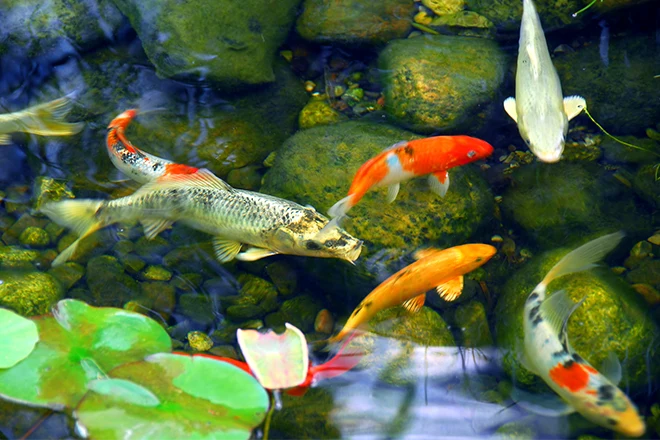
Do you dream of a vibrant koi pond in your backyard? Wondering how much it will cost to bring these colorful fish into your life?
In this post, you’ll learn all about the price range for koi fish, from budget-friendly options to high-end show-quality beauties.
By the end of this post, you’ll have the knowledge to get the right koi after your pond building project.
How Much Do Koi Fish Cost: Price Range Revealed
Koi fish prices can range from $10 per fish to over $20,000. The cost for koi fish mainly depends on where you get them from, how rare they are, and what size they are.
Budget-Friendly Koi Fish Prices
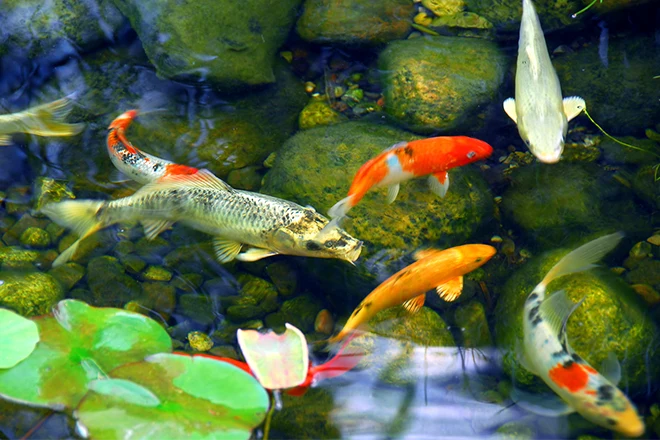
For those new to koi ownership or on a budget, there are plenty of affordable options available. Budget-friendly koi fish usually cost between $10 and $55.
These smaller koi may not have the vivid color of show fish, but they add just as much movement and joy to a backyard—especially when gliding beneath lily pads on a quiet Asheville morning.
- 3.5” Imported Doitsu Kohaku Butterfly Koi: $40
- 3.5” Imported Doitsu Platinum Ogon Butterfly Koi: $40
- 4” Imported Gin Rin Platinum Ogon Butterfly Koi: $45
- 4” Imported Kohaku Butterfly Koi: $45
- 4” Imported Kin Kikokuryu Butterfly Koi: $45
- 4” Imported Kikusui Butterfly Koi: $45
- 4.5” Imported Kin Kikokuryu Butterfly Koi: $55
- 4.5” Imported Hariwake Butterfly Koi: $55
Budget koi are perfect for beginners looking to test the waters of koi ownership without investing heavily. These fish are often younger and have not yet developed the vivid patterns and colors seen in high-end koi. They are a great choice if you want to enjoy the presence of koi without the higher costs associated with larger or rarer fish.
Mid-Range Koi Fish Prices
Mid-range koi offer a balance between quality and cost, making them a popular choice for many hobbyists. These koi typically range from $55 to $300.
They often display more distinct patterns and vibrant colors compared to budget-friendly options. Mid-range koi are usually larger, with sizes ranging from 6 to 12 inches.
- 5.5” Shusui: $70
- 5.5” Gin Rin Kohaku: $70
- 5.5” Ki Matsuba: $70
- 5.5” Kujaku: $70
- 6” Asagi: $80
- 6” Shusui: $80
- 6” Gin Rin Shiro Muji: $80
- 6” Showa: $80
- 6” Heisei Nishiki: $80
These koi provide a good compromise for those who want beautiful fish without the premium price tag. They are often bred from quality genetic lineage, ensuring better health and longevity. Additionally, mid-range koi can be a delightful addition to your pond, bringing both color and dynamic movement.
High-End and Show-Quality Koi Fish Prices
High-end koi fish are for serious collectors and enthusiasts willing to invest heavily in their koi ponds. These fish can cost anywhere from $300 to several thousand dollars, with some of the most expensive koi fish reaching up to $20,000 or more.
High-quality koi fish are often larger koi, exceeding 24 inches in length, and showcase exceptional patterns and colors.
Show-quality koi, such as those bred by renowned breeders like Kodama Koi Farm, are prized for their perfect body shape, vibrant colors, and unique patterns. These koi are often prepared for competitions and have a high potential for winning in koi shows.
Investing in high-end koi ensures you have the best koi in terms of beauty and health, providing a stunning focal point for your backyard pond.
Here’s what else to know before installing a backyard koi pond.
What Factors Affect Koi Fish Price Ranges?
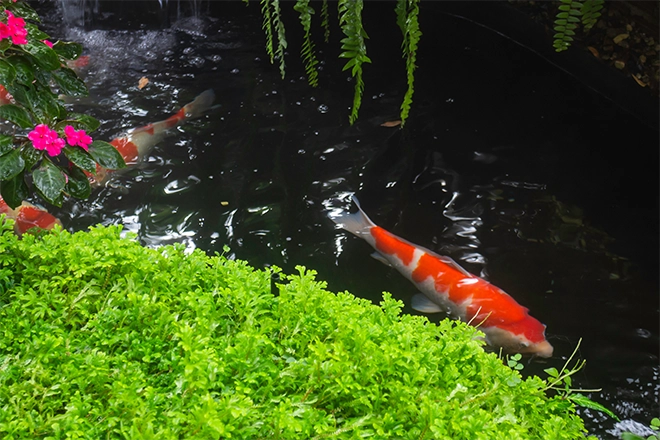
Understanding the various factors that influence koi fish prices can help you make a more informed decision when you buy koi fish for your pond. These factors include bloodline, beauty, variety, age, size, and shipping costs.
Bloodline, Beauty, Variety, and Rarity
The genetic lineage and breeding of koi significantly impact the cost for koi fish.
Koi with a prestigious bloodline from reputable breeders are often more expensive due to their superior quality and health, much like Asheville’s boutique gardens, where each plant is chosen for its form and heritage. The beauty of a koi, including its body shape, color patterns, and overall aesthetics, also plays a crucial role in its pricing.
Rare varieties and unique patterns can drive up the cost of koi fish, making them highly sought after by collectors.
For instance, varieties like Kohaku, Showa, and Sanke are popular for their distinct and striking patterns. Rare patterns and color combinations can further increase a koi’s value, making it a prized addition to any pond.
Age and Size
The age and size of koi fish are directly related to the cost for koi fish.
Younger koi, known as Tosai, are typically less expensive because they are smaller, and their patterns and colors have not fully developed. As koi age and grow larger, their price increases.
Larger koi, especially those over 24 inches, are considered more valuable due to their impressive size and fully developed features.
Purchasing younger koi can be a cost-effective strategy, allowing you to enjoy watching them grow and develop over time.
However, older and larger koi offer immediate visual impact and are often preferred by those looking to create an instantly impressive pond.
Shipping Costs
Shipping is another factor that affects koi fish costs.
Depending on where you are located, shipping fees can vary. For example, importing koi from Japan can be expensive due to the distance and the need for careful handling and quarantine procedures to ensure the health of the fish.
When buying koi, consider the shipping costs and choose a reputable seller who guarantees the safe arrival of your fish.
Perceived Beauty
The subjective nature of beauty means that what one person finds attractive in a koi may not be the same for another.
Personal preferences play a significant role in koi fish prices. While some may prefer the classic patterns of Kohaku or the striking contrast of Showa, others might find beauty in the unique appearance of butterfly koi.
Here’s the cost of building a koi pond.
Koi Fish Costs Extend to Pond Maintenance
Owning a koi pond brings a serene beauty to your backyard, but it’s important to understand how koi fish can affect pond maintenance costs. Koi ponds require regular upkeep to ensure the health and well-being of the fish.
Impact on Pond Workload
Koi fish contribute to a balanced pond ecosystem, but they also add to the maintenance workload.
Koi help control insect populations by eating them and their larvae, which can reduce the need for chemical pest control. They also nibble on algae, helping to keep it in check.
However, koi produce waste, which can lead to the growth of unwanted algae and affect water quality.
Regular pond maintenance includes monitoring water quality, cleaning filters, and ensuring proper oxygen levels. These tasks are essential for maintaining a healthy environment for your koi fish and can prevent more expensive issues in the long run.
Feeding Koi Fish
Koi fish require food, and food costs money, making this one of the ongoing costs for koi fish.
Feeding koi fish correctly is crucial for their health and the overall maintenance of the pond.
Koi fish can survive on natural food sources like algae and insects, but supplemental feeding ensures they get the nutrients they need. Feeding them high-quality koi food can enhance their colors and overall health.
It’s important to feed your koi only what they can consume in a few minutes to prevent excess food from decomposing and polluting the pond.
During the winter months, when water temperatures drop below 50°F, koi enter a state of hibernation, and their feeding habits should be adjusted accordingly.
How Much Can It Cost to Stock a 10’ x 15’ Backyard Koi Pond?
Stocking a 10’ x 15’ koi pond requires maintaining 50% capacity, or 75 inches of fish. Budget-friendly 4-inch koi cost around $32.50 each, totaling $585 for 18 fish. Mid-range 6-inch koi cost $177.50 each, totaling $2,130 for 12 fish.
Size and Space Considerations
When determining the number of koi fish for your pond, consider the size of the pond and the potential size of the fish.
A general rule of thumb is to allow one inch of fish per square foot of pond surface area. For example, a 10’ x 10’ pond can support 100 inches of fish, which could be ten 10-inch fish or twenty 5-inch fish.
Larger koi require more space, so it’s important to plan for their growth. Overcrowding can lead to poor water quality, increased stress, and a higher risk of disease among the fish.
The Cost to Stock Your Koi Pond
Stocking your koi pond involves balancing the number of fish with their growth potential and the pond’s capacity to ensure a healthy environment. For a 10’ x 15’ pond with a surface area of 150 square feet, stocking to full capacity would mean supporting up to 150 inches of fish. However, to maintain clear water and account for koi growth, it’s better to stock at around 50% capacity, which equals 75 inches of fish.
Budget-Friendly Koi
If you opt for budget-friendly koi, averaging about 4 inches in size, you can comfortably stock 18 koi in your pond.
With these koi fish prices ranging from $10 to $55, the average cost per fish is around $32.50.
Stocking your pond with budget-friendly koi would cost approximately $585.
Mid-Range Koi
For mid-range koi, which average about 6 inches, you can stock 12 koi in the same space.
Mid-range koi fish prices are between $55 and $300, with an average cost of $177.50 per fish.
Stocking your pond with mid-range koi would cost approximately $2,130.
How do You Protect Koi Fish From Predators?
Koi fish are a valuable addition to your backyard pond, but they can attract predators such as raccoons, herons, and cats. Protecting your koi from these predators is essential to maintaining their health and safety (and keeping you from having to buy more).
Pond Design and Features
Designing your pond with features that offer hiding spots for your koi can help protect them from predators.
Adding rocks, aquatic plants, and other structures can provide shelter and make it harder for predators to catch your fish. Using pond netting or covers can also be an effective way to keep predators at bay.
Additional Protective Measures
Motion-activated deterrents, such as sprinklers or lights, can help scare away potential predators. These devices can be an effective, humane way to protect your koi fish.
Additionally, community strategies, such as sharing information with neighbors about predator sightings, can help keep your koi safe.
How do You Care for Koi Fish so You Don’t Have to Buy More?
Koi fish require different care throughout the year to ensure their health and well-being. Seasonal changes can affect the pond environment and the needs of your koi.
Winter Care
During the winter months, koi fish enter a state of hibernation. It’s important to prepare your pond for winter to ensure your fish survive the cold temperatures.
Maintaining a hole in the ice allows for gas exchange, ensuring that your koi have enough oxygen. Moving aerators to the shallow end of the pond can help keep the water from freezing completely.
How do you care for koi fish during winter?
Summer Care
In the summer, higher temperatures can affect the oxygen levels and water quality of your pond.
Add shade and aeration—whether with water lilies, pergolas, or small fountains—to keep your pond as cool and calm as a morning beside Blowing Rock’s Glen Burney Falls. Regularly check water quality parameters and perform necessary maintenance to keep your koi healthy during the hotter months.
Give Your Fish the Best Home with Morganton Ponds & Hardscapes
Morganton Ponds & Hardscapes can transform your backyard into a serene koi paradise, offering expert pond construction tailored to your needs. Our team ensures that every detail, from the right koi fish to the perfect pond design, is handled with care and precision.
Ready to bring the beauty of koi fish to your home? Fill out our contact form today, or give us a call to start your journey towards a stunning backyard pond.