Brighten Your Pond’s Future: The Truth About UV Lights
Have you ever wondered if UV lights could be the solution to your pond’s murky water? Or questioned whether the investment in these lights is really worth it?
In this post, you’ll learn what you need to know about pond UV lights, including their benefits, limitations, and some great alternatives.
By the end of this read, you’ll have a clear understanding of how to keep your pond in Morganton, NC, sparkling and healthy (besides professional pond maintenance services).
What Is A Pond UV Light?
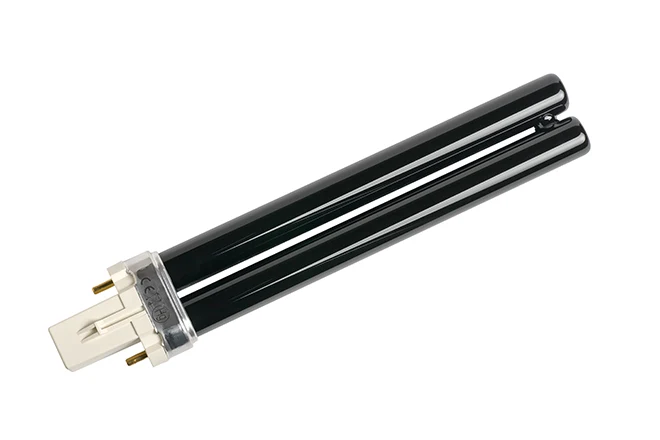
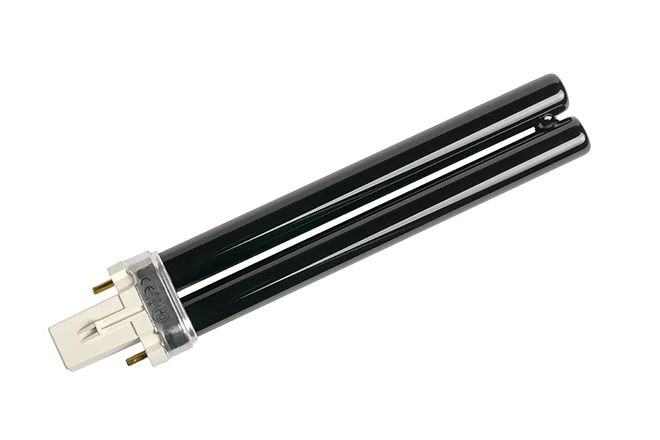
Pond UV lights, sometimes called pond UV clarifiers, are special devices used to control algae and improve water clarity in ponds. They are composed of four main components: a germicidal lamp, a quartz sleeve, a ballast, and a housing.
- The germicidal lamp is the core of the UV light system, emitting ultraviolet light that penetrates the water and targets algae and bacteria.
- The quartz sleeve protects the lamp from direct contact with water while allowing the UV light to pass through.
- The ballast provides the correct electrical requirements for the lamp to function efficiently.
- The housing encases all the other parts and directs the water flow through the UV light system.
These components work together to ensure the effective operation of pond UV lights, making them a popular choice for algae control in ponds.
How Do Pond UV Lights Work?
Mechanism Of Action
Pond UV lights work by emitting ultraviolet light that disrupts the DNA of algae and bacteria. This process prevents these organisms from reproducing, effectively reducing their numbers in the pond.
For the UV light to be effective, the water must flow through the system at a rate that ensures sufficient exposure time.
Do you want to know the other algae control methods you can use?
Effectiveness Conditions
For pond UV lights to work properly, several conditions must be met.
The UV light must target single-celled algae’s ability to reproduce, which means the algae need to pass directly in front of the light. They are most effective against single-celled algae that cause green water and less effective against string algae or other forms of algae that do not freely float in the water.
Additionally, the water flow rate must be optimal.
If the flow is too fast, the algae and bacteria won’t get enough exposure to the UV light to be effectively neutralized. Ensuring the correct water flow and meeting these conditions can maximize the efficiency and effectiveness of the UV system in your pond.
Limitations Of Pond UV Lights
Effectiveness Limitations
While pond UV lights are effective in controlling certain types of algae, they have limitations.
They are primarily effective against single-celled algae.
Other types, like string algae, are less affected.
For UV lights to work, the algae must flow directly in front of the UV bulb, meaning not all algae will be affected.
Furthermore, clear water can sometimes give a false sense of security. Even if the water looks clear, it might still have harmful chemicals or inadequate levels of beneficial bacteria.
Maintenance Challenges
Maintaining pond UV lights can be challenging.
The quartz sleeve and other components need regular cleaning to maintain efficiency. It can also be hard to determine when the UV bulbs need replacing, which can affect their performance.
Impact On Ecosystem
Using UV lights can have unintended effects on the pond’s ecosystem.
UV lights do not discriminate between harmful bacteria and beneficial bacteria essential for a healthy pond ecosystem. A balanced pond requires both types of bacteria to maintain water quality and clarity.
Over-reliance on UV lights can disrupt the natural balance, potentially leading to long-term issues.
In neighborhoods like Salem, NC, pond owners must consider these limitations and challenges when deciding whether to use pond UV lights.
Choosing The Right System For Your Pond
Selecting the right system for your pond involves considering several factors, including the size of your pond, the specific issues you’re facing, and your maintenance preferences. In neighborhoods like Oak Hill, pond owners need to weigh these factors carefully to make an informed decision.
Sizing And Flow Rate
One of the most critical aspects of choosing a pond UV clarifier or any alternative system is ensuring it is properly sized for your pond.
Manufacturers provide ratings based on pond size and flow rate, which are crucial for effective clarification. An undersized system will not be able to handle the water volume, leading to suboptimal performance. Conversely, an oversized system may lead to unnecessary expenses without additional benefits.
Combining Systems
Integrating multiple systems can often yield the best results.
For instance, combining a UV clarifier with biological filtration can enhance overall water quality. While the UV light targets and reduces algae and bacteria, the biological filter breaks down ammonia and other harmful compounds. This combination ensures that your pond remains clear and healthy, providing a balanced environment for aquatic life.
Maintaining Balance
Maintaining a balanced pond ecosystem is essential for long-term health.
Relying solely on UV lights can disrupt this balance by killing both harmful and beneficial bacteria. To avoid this, it’s important to incorporate methods that support beneficial bacteria, such as biofalls and bacterial products. Regular maintenance, including cleaning filters and monitoring water quality, is also crucial to sustaining a healthy pond.
Alternatives To Pond UV Lights
If you’re looking for options beyond pond UV lights, there are several effective alternatives to consider. Each has its own set of benefits and can be tailored to the specific needs of your pond in neighborhoods like Chesterfield.
Ion Gen
One popular alternative is the Ion-Gen system.
This system works by releasing copper ions into the water, which target and eliminate algae, bacteria, and other harmful organisms. Unlike UV lights, the Ion-Gen system treats the entire pond, not just the water that passes through a light.
This comprehensive approach makes it highly effective in maintaining water clarity and overall pond health. Additionally, Ion-Gen systems require less maintenance compared to UV lights, as there are no bulbs to replace or quartz sleeves to clean.
Biofalls
Another alternative is using biofalls.
Biofalls act as both a waterfall and a biological filter. They use beneficial bacteria to break down organic matter, improving water quality and clarity.
This method promotes a natural balance within the pond, supporting a healthier ecosystem. Biofalls are especially effective when combined with other filtration systems, providing a multifaceted approach to pond maintenance.
Skimmers
Skimmers are another useful tool.
They help by collecting larger debris, such as leaves and sticks, before they can decompose and affect water quality. While skimmers do need periodic cleaning, their ability to prevent debris accumulation makes them a valuable component of a pond’s filtration system.
Bacterial Products
Finally, consider using bacterial products.
These products introduce beneficial bacteria into the pond, helping to break down organic waste and control algae growth. They are safe for fish and other aquatic life, making them a practical choice for maintaining a clean and healthy pond.
Practical Tips For Pond Maintenance
Keeping your pond in top condition requires following regular pond maintenance steps and tips, as well as paying attention to detail. Here are some practical tips to help you maintain your pond in neighborhoods like Glen Alpine.
Routine Maintenance
Regular cleaning and inspection of your pond’s filters and other equipment are essential. This includes checking and cleaning the quartz sleeve of your UV light, if you have one, to ensure it remains effective. Monitoring the water clarity and quality can help you detect issues early and take corrective action.
Seasonal Considerations
Adjust your maintenance routine according to the season. In the spring and summer, when algae growth is more likely, you might need to clean more frequently and possibly adjust the flow rate of your pond UV clarifier. Preparing your pond for winter involves removing debris, trimming plants, and possibly reducing the use of UV lights to prevent over-sterilization.
Troubleshooting Common Issues
Address common pond issues promptly to maintain a healthy environment. If you notice an algae bloom, check the effectiveness of your UV light and consider adding bacterial products. Poor water quality can often be remedied by increasing biological filtration and ensuring proper water circulation. Additionally, keep an eye on fish health, as sudden changes in behavior can indicate water quality issues that need to be addressed.
Illuminate Your Pond’s Future With Morganton Ponds & Hardscapes
Morganton Ponds & Hardscapes has the expertise to handle all your pond maintenance needs, from installing pond UV lights to integrating advanced filtration systems. Our team is dedicated to ensuring your pond remains clear, healthy, and beautiful year-round.
Don’t wait for unsightly green water algae to take over your pond. Fill out our contact form today or give us a call, and let us help you create the perfect water feature for your home.